Home Improvement Investment Tips (Do’s and Don’ts)
I’m sharing my top tips for attempting DIY projects in your homes, while keeping resale in mind.When performing any projects, consider resale value down the line. Even if it’s not on your mind—for the time being—thoughtful renovations will boost the value of your home and help you out in the long run.

Hi friends! Today’s post is a little different. I’m diving into the do’s and don’ts of investing in home improvement projects, especially if you’re thinking about resale down the road. These home improvement investment tips will definitely help you increase the value of your home.
Home Improvement Investment Tips
When we bought our new home, we knew we’d likely sell in 6 to 10 years, so every decision around renovation projects or upgrades has to strike a balance between our personal style and the resale value it adds to the value of our home. Whether it’s a DIY weekend project or a bigger investment like a kitchen remodel, it pays to think long-term and prioritize the best home improvements that appeal to potential buyers.
When performing any projects, consider resale value down the line. Even if it’s not on your mind—for the time being—thoughtful renovations will boost the value of your home and help you out in the long run. Before you begin, it’s essential to assess your specific needs and wants for your home, as well as what makes sense in terms of return on investment and functionality. To make things easy, here are some dos and don’ts of investing in home improvement projects:

Do: Consider a Kitchen Remodel for High ROI
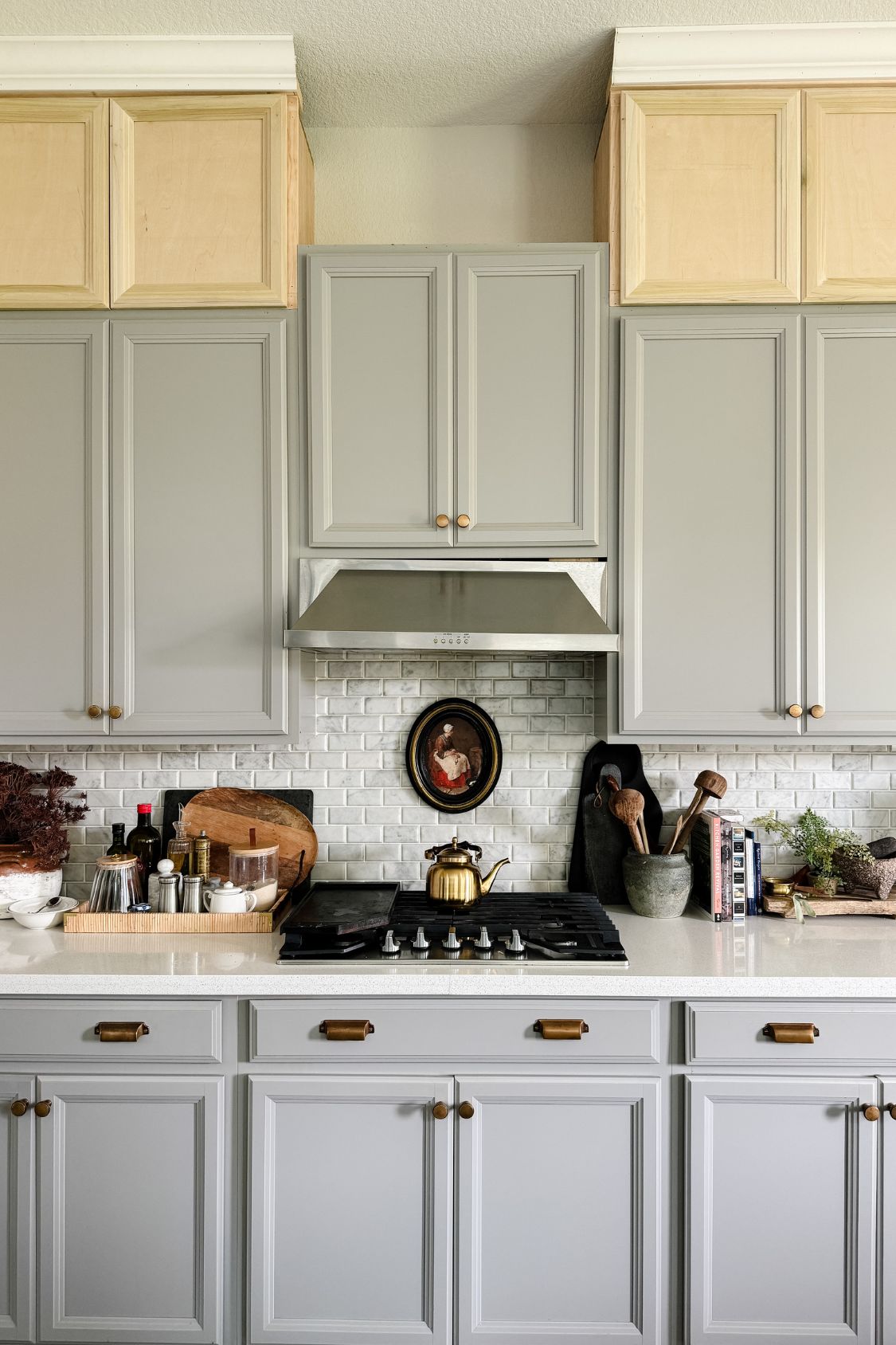
When moving forward with any home improvement project, it’s a great idea to consider more popular rooms, such as the kitchen. Kitchen remodels are one of the most commonly completed home improvement projects. Considering the kitchen is thought to be the heart of the home, it makes sense to give it a small refresh. Even small kitchen renovations, like new cabinets or a fresh coat of paint, can dramatically boost the resale value of your home. Minor remodeling projects like updating light fixtures or installing energy-efficient upgrades tend to deliver the best return for your money.
To determine if this home improvement project is a good fit for you and your home, look into how much the average cost to complete a kitchen remodel is to understand all the elements that go into a kitchen remodel. Once you’ve assessed the potential cost, decide what kind of renovation works best for you. Minor kitchen remodels prove to be a good investment as they can have a resale value of $18,123, and can include elements such as new cabinets, appliances, flooring, fixtures, and a fresh coat of paint.

Don’t: Go All-In on Luxury Renovations With Low Resale Value
If you’re still considering a kitchen remodel or changing out something big like stair ballusters, it may sound nice to complete a full luxury remodel. In terms of investing, that may not be such a good idea. Too much customization or costly projects may only be appealing to you and not future homeowners, making them a bad investment. Other luxury renovations, such as a sunroom, swimming pool, or garage turned master suite, can do more harm than good.
These renovations may sound like a good idea at the time—who wouldn’t love to jump in their pool on a hot day? Unfortunately, the resale value would not cover the high cost of these projects, and it may be best to stray away.
Large projects like a swimming pool or converting your garage may not increase the home value significantly and can be too niche for prospective buyers. You want to avoid home upgrades that may not have broad appeal or match the square footage and style of your current home.

Do: Research the Average Cost and Financing Options
This might be the most crucial aspect of a home improvement project. You must understand your project as a whole before starting in order to save yourself time and money in the long run.
First, look into the potential costs of every aspect of your project, whether it be materials, installation, or hiring a professional. Once you have a general understanding of what your project will look like in terms of money, you should establish a budget. This will help prevent overspending, as well as help you make decisions down the line if an emergency pops up. Go into your project, knowing what you’re willing to sacrifice versus what you don’t want to go without. That’s exactly what I did with my office reno – I researched a ton – looked into all the DIYers who had already attempted a similar desktop and art ledge, and only after I was well versed in the scope of work, did I attempt to work on my own.
It’s not a bad idea to give yourself a timeline for your project, but be sure to make it realistic. Anything is possible, and be prepared for surprises to arise. It’s especially not uncommon in older homes to find hidden issues that you will need to fix, which can disturb your timeline. Just remember to stay patient and positive, as once you complete your remodel, it will all be worth it.
When looking into hiring a pro, it’s essential that you’re thorough about it.
Before starting, it’s helpful to compare financing options like a home equity loan, cash-out refinance, or even personal loans. You can also talk to a financial advisor if you’re weighing larger home renovations with significant monthly payments.
Receive multiple quotes from various contractors, ask questions, and complete background checks. Understand that contractors’ prices reflect numerous aspects, such as materials, labor, and quality. In doing so, you can be sure you find the best fit for the job.

Don’t: Assume DIY Projects Always Save Money
DIY projects are not only fun but can also be cost-effective. It can also be beneficial as you’re on your timeline and can complete the work when it’s best for you and your lifestyle. But it’s even a good idea to leave some projects to the professionals.
Some home improvements best left to the pros are foundation work, insulation, hardwood flooring installation, as well as electrical and plumbing work. Liz from Within the Grove was smart to outsource her flooring install for her son’s bedroom, shown above, and she only attempted it on her own when she had watched them and gained the confidence that the work needed. As a bonus, hiring a professional frees up some of your time so that you can work on other aspects of your remodel.
Projects best suited for DIYing are painting, installing new fixtures, and adding decorative millwork like shiplap or wainscoting.
While some DIY projects can be a good idea, others like installing hardwood floors or major plumbing can actually reduce the value of their homes if done improperly. Instead, choose smaller projects like painting, updating paint colors, or replacing light fixtures — all low-cost changes that add the most value.
Do: Focus on Small Changes That Go a Long Way
Not every home improvement project needs to be a full-blown reno to make an impact. Smaller projects like swapping out light fixtures, giving the walls a fresh coat of paint, or updating your front door can go a long way toward improving your home’s value without a huge investment. These kinds of upgrades are also a great way to boost your home’s curb appeal and make a solid first impression on future buyers.
Even something as simple as repainting your living room in a more neutral paint color or switching to energy-efficient upgrades like LED lighting can help. The goal here is to make smart, subtle home improvements that modernize your space and add value, all without draining your budget. Think of them as low-effort, high-return wins.
Don’t: Ignore What Potential Buyers Might Want
I know it’s tempting to dive into super-specific design ideas that speak to your style (hello pink tile backsplash), but when you’re thinking about resale value, it’s important to consider the perspective of potential buyers. What feels like a good idea in the moment, like turning a bedroom into a yoga studio or adding a wine cellar, might not have the kind of broad appeal that helps with resale.
If you plan on selling in the next few years, stick to changes that most people will find functional and attractive. Ask yourself, would this add value to someone else’s daily life? Real estate agents will tell you that remodeling projects with cohesive looks and classic updates tend to bring in the highest ROI, especially when you’re in a competitive market. It’s all about balance. Keeping your personal style while making choices that will speak to future buyers, too.
Quick Tips for Smart Home Improvement Investments
- Prioritize rooms with high impact, like the kitchen and bathroom
- Stick to remodeling projects with a high return on investment
- Avoid custom luxury upgrades that may not appeal to future buyers
- Always get quotes from multiple contractors and compare average costs
- Use fresh paint, new hardware, or a new front door to boost curb appeal
- Focus on energy efficiency and functionality
- Research the best ROI home improvements in your neighborhood
FAQs
What are the best home improvements for resale value?
According to the National Association of Realtors, kitchen remodels, bathroom remodels, and garage door replacements are some of the best home improvements that offer the highest return on investment.
Should I take out a home equity loan for renovations?
A home equity loan or a home equity line of credit (HELOC) can be a good investment if the project increases the value of your home. It’s always a smart move to speak with a financial advisor before making a final decision.
Do all home upgrades increase home value?
Not necessarily. Luxury renovations, swimming pools, or highly personalized features may not add much value. It’s better to focus on changes that have broad appeal and make sense to potential buyers.
Are DIY home improvement projects worth it?
They definitely can be for smaller projects like painting, updating hardware, or switching out light fixtures. But when it comes to plumbing, electrical, or structural work, it’s a good idea to bring in a professional.
There are plenty of aspects to a home improvement project, and you must understand them all before diving right in. Whether you’re remodeling for personal value or you plan to sell your home down the road, following these dos and don’ts will ensure you have the most successful renovation possible. If there’s anything I’ve missed or if you have a tip you’d like to share, drop me a line down below!
This post contains affiliate links to products that I used or recommend. If you purchase something through an affiliate link, I may receive a small percentage of the sale at no extra cost to you. I really appreciate your support!