Brush, Roll, or Spray: What’s the Best Method for Painting Cabinets?


Painting cabinets is one of the most impactful updates you can make in a kitchen, bathroom, laundry room, or really any space with wood cabinets that need a fresh look.

Building your own furniture
From Problem Spaces Episode 5

I say that as someone who has seen paint completely change the feel of a room without changing the entire layout. It is a great way to make old kitchen cabinets feel current again, and it usually costs a whole lot less than replacing everything.

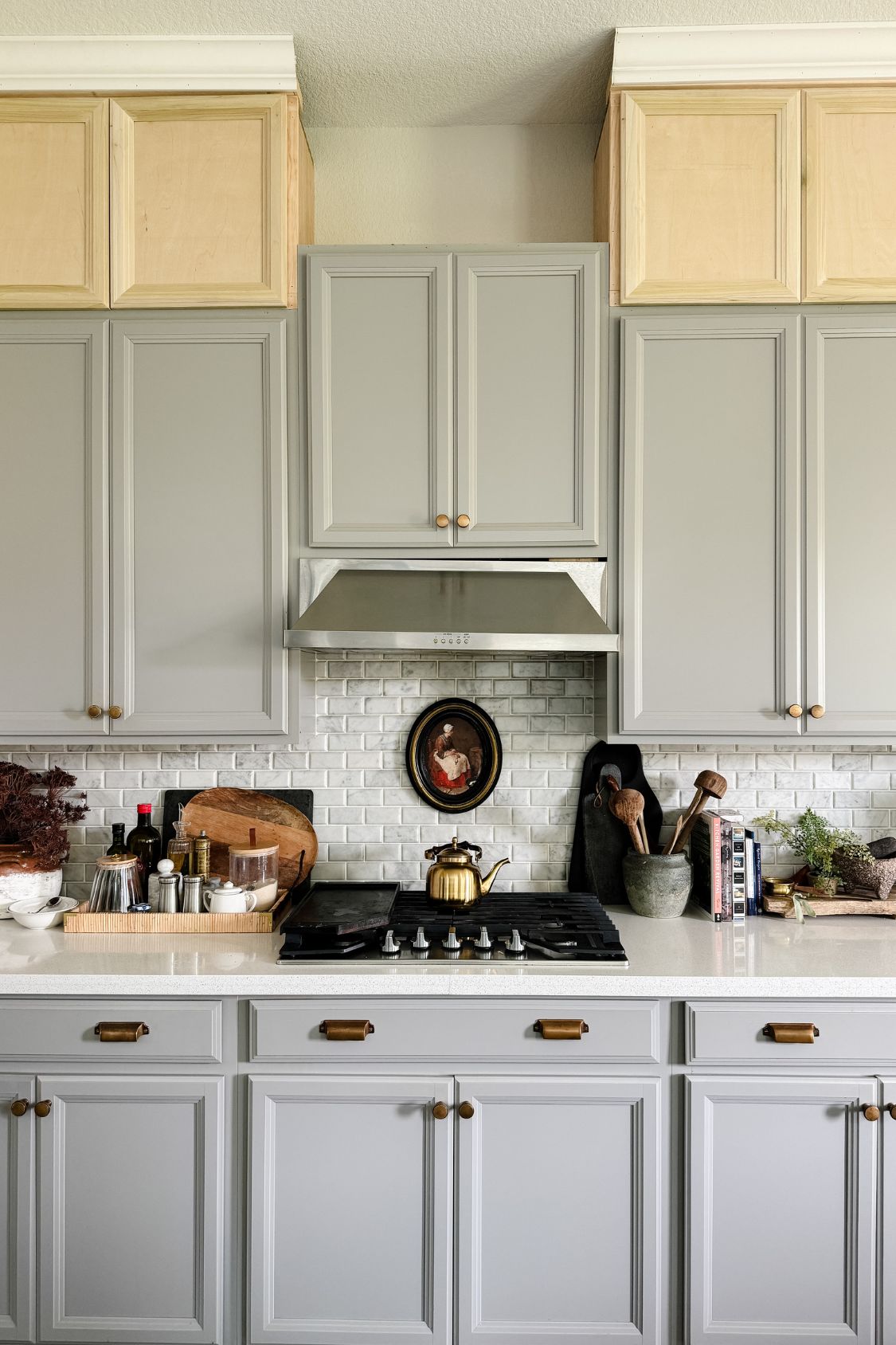
Painting Old Kitchen Cabinets
From My Kitchen Cabinet Makeover Project

But once you decide to paint, the next question shows up immediately. What is actually the best way to apply the paint?

Do you use a brush, a foam roller, or a paint sprayer?

DIY Wall Painting
From Problem Spaces Episode 6

The truth is, each method can work well. It really depends on your cabinet style, your skill level, your workspace, and the kind of finish you want in the end. If you are after a hand-painted look, one method may make more sense. If you want that super smooth finish that looks almost factory-made, you may want to go in a different direction.

For me, this is where a lot of DIY cabinet paint projects go sideways. People spend so much time choosing the paint color and the best paint, but they do not always think enough about the application method. And honestly, the method matters more than people think.

In this guide, I am breaking down the pros and cons of brushing, rolling, and spraying cabinets, plus when each one works best and how to get the best results no matter which route you take.

What to Consider Before Choosing a Cabinet Painting Method

Before you even open a paint can, it helps to think through a few things first. I have found that the right method usually becomes much clearer once you look at the cabinet style, the setup you have to work with, and the finish you are hoping for.

Cabinet style

Not all cabinet doors behave the same way.

Flat surfaces like slab doors are usually the easiest to paint with a roller or a paint sprayer because there are fewer corners and detailed areas to work around. Shaker cabinets are also very paint-friendly, but the inner edges and cabinet frames take a little more care. Detailed or inset cabinets usually take the most patience because there are more grooves, corners, and tight spots where brush strokes and paint buildup can show up fast.

If your cabinet surfaces have lots of trim or profile detail, I would not expect the exact same easy process you would get with a flat door.

Your skill level

Upcycling Furniture with Paint
From My Upcycling Old Furniture Project

Be honest here, because it really does matter.

If you are a beginner DIYer, a brush and foam roller setup may be the easiest way to get started. If you have done a few paint projects before and feel comfortable working steadily and carefully, you can absolutely get a beautiful result with those tools. If you are comfortable using power tools and willing to do more prep work, then a paint sprayer may be the best way to get that smoother, more professional-looking finish.

Workspace

From Problem Spaces Episode 2

This is a big one.

If you are painting in a small kitchen with limited ventilation, brushing or rolling may be much easier to manage. If you have a garage setup, outdoor workspace, or enough room to create a controlled spray zone, spraying becomes a much more practical option.

I personally think this part gets overlooked all the time. A paint sprayer sounds amazing until you realize you need to mask half your life with painter’s tape and plastic sheeting.

Desired finish

From My Laundry Room Makeover Project

This may be the deciding factor.

If you like a more hand-painted, slightly softer finish, a brush or roller may work just fine. If you want the smoothest finish possible with minimal texture, spraying usually wins.

And if you are painting high-use surfaces like kitchen cabinets or bathroom cabinets, I do think it is worth putting extra thought into the finish quality. These are not random pieces of furniture sitting in a quiet corner. Cabinet boxes, drawer fronts, and cabinet frames get touched constantly under normal use.

Method 1: Painting Cabinets With a Brush

Painting cabinets with a brush is usually best for small projects, touch-ups, and detailed areas where a larger tool would be clumsy. It is also the most approachable method for beginners because the tool itself is simple and affordable.

I think a brush is a great way to get into a cabinet paint project if you are feeling nervous, especially if you are only working on bathroom cabinets, a small vanity, or one small area at a time.

Pros of brushing cabinets

The biggest benefit is control. A brush makes it easier to get into corners, grooves, and cabinet frames without too much trouble. It is also one of the least expensive ways to start since you do not need special equipment beyond a high-quality paint brush, paint trays, primer, and paint.

For inset doors, trim details, and hard-to-reach spots, a brush is often necessary, no matter what other method you use.

Cons of brushing cabinets

The biggest downside is brush strokes. Even with high-quality paint and good technique, brushing alone usually makes it harder to achieve that ultra-smooth finish people want on cabinets.

It is also slower. Painting clean cabinet doors one section at a time with a brush takes patience, and if you overwork the paint, the finish can start to drag or look uneven.

Best brushes for cabinets

A high-quality angled brush is your best friend here. For latex paint or acrylic products, synthetic bristles are usually the right choice. A cheap brush is one of those things that seems like a money saver until it starts shedding into your cabinet paint and makes you question everything.

Pro tips for brushing cabinets

Use long, even strokes and follow the direction of the wood grain whenever possible. Do not keep brushing back over areas that have already started to set. That is one of the quickest ways to create visible brush strokes and an uneven finish.

I also like to keep a light hand here. Thin coats always look better than one heavy coat of paint, especially on cabinet surfaces that get a lot of attention in natural light.

Method 2: Painting Cabinets With a Roller

Using a roller is often the sweet spot for beginner and intermediate DIYers. It is faster than brushing, easier than spraying, and usually gives a smoother finish on flat areas and flat cabinet doors.

If someone asked me for the easiest way to paint cabinets without investing in a sprayer, I would probably point them toward a foam roller and a brush combo first.

Pros of rolling cabinets

A roller gives more even coverage than a brush alone and usually leaves fewer visible brush strokes. It is especially useful on flat surfaces like slab doors, drawer fronts, and larger cabinet boxes. It also covers more quickly, which can save a lot of time on a medium-sized project.

For many homeowners, rolling is a really good middle ground. It gives better coverage than brushing alone but creates far less mess and prep than spraying.

Cons of rolling cabinets

The main drawback is texture. Even with a foam roller, you can sometimes get a slight orange peel effect, especially if the type of paint is too thick or you apply too much paint at once.

It is also not ideal for detailed areas or cabinets with lots of grooves and trim. You may still need a brush for those sections, which means you have to be careful blending the finish.

Best rollers for cabinets

A foam roller is usually the best option for cabinets if you want the smoothest finish possible. Small 4 to 6-inch cabinet rollers are especially useful because they are easier to control and fit cabinet parts well.

Pro tips for rolling cabinets

Use a foam roller for the smoothest result and apply thin coats instead of loading the roller up with too much paint. I also think it helps to move steadily and not overwork the surface.

If needed, you can lightly back-brush certain spots, but I would only do that with a very light touch. Too much fussing usually makes the finish worse, not better.

Method 3: Painting Cabinets With a Paint Sprayer

If your goal is the smoothest finish and the most professional-looking result, a paint sprayer is usually the winner. This method is best for larger projects, full kitchen cabinet makeovers, and anyone who wants cabinets to look as close to factory-finished as possible.

Personally, spraying is my favorite method for painting cabinets when it is done right. The prep work is a lot, I will not lie, but the end result can be so worth it. One downside is that you have to hang the cabinet doors to dry. You’ll need a rack with hangers for this.

For my own kitchen, I hired someone to paint the cabinets, and they sprayed the paint inside the kitchen by blocking off the space with plastic sheeting. They taped off the walls, counters, and every surface that needed protection. It was a whole production, but the finish looked so smooth and even in the end. I really came away feeling like this is the method that gives the most beautiful result when you want white cabinets or any paint color to look clean and intentional.

Pros of spraying cabinets

A paint sprayer gives the smoothest finish, the fastest application, and the most professional look overall. It is excellent for cabinet doors, drawer fronts, cabinet boxes, and cabinet frames if you want everything to feel cohesive.

It is especially helpful when painting shaker cabinets because it gets into the profiles more evenly than a roller can.

Cons of spraying cabinets

The prep work is extensive. You need to remove doors and drawer fronts, cover surrounding areas carefully, and create a setup that protects everything from overspray. There is also a learning curve, and the equipment costs more than a brush or roller.

This is not really the easy way, at least not on the front end. It is usually more work before the painting starts, but less struggle when it comes to getting a flawless finish.

Types of paint sprayers

HVLP sprayers are popular for cabinetry because they offer more control and a finer finish. Airless sprayers can also work, especially on larger projects, but they tend to move more product quickly and may be less forgiving for beginners.

If you are unsure, I would always read the sprayer recommendations for your specific cabinet paint and practice first on scrap material.

Pro tips for spraying cabinets

Remove all cabinet hardware, cabinet doors, and drawer fronts before you start. Label everything with a corresponding number so reinstallation is less chaotic later. Trust me, this is one of those tiny organizational steps that saves your sanity.

Spray multiple light coats instead of one heavy one. Keep the sprayer moving and maintain a consistent distance so you do not end up with drips or uneven coverage.

If possible, hang the doors while spraying so you can reach the edges more easily and let them dry without sticking to a surface. That setup can make a huge difference in both finish quality and drying times.

Brush vs Roller vs Sprayer: Side-by-Side Comparison

Pennies for a Fortune - Painting Kitchen Cabinets

If you are trying to decide quickly, here is the simplest breakdown.

Brush

  • Best for small areas, trim, touch-ups, and detailed areas
  • Finish quality is decent, but usually shows more brush strokes
  • Skill level is beginner-friendly
  • Cost is low

Roller

  • Best for flat cabinet doors, flat areas, and medium-sized projects
  • Finish quality is smoother than brushing, but may still show slight texture
  • Skill level is beginner-friendly
  • Cost is low

Sprayer

  • Best for full kitchen cabinets, bathroom cabinets, and anyone chasing a factory-smooth finish
  • Finish quality is the smoothest and most professional-looking
  • Skill level is intermediate and up
  • Cost is higher because of the equipment and prep

My Favorite Method for Painting Cabinets

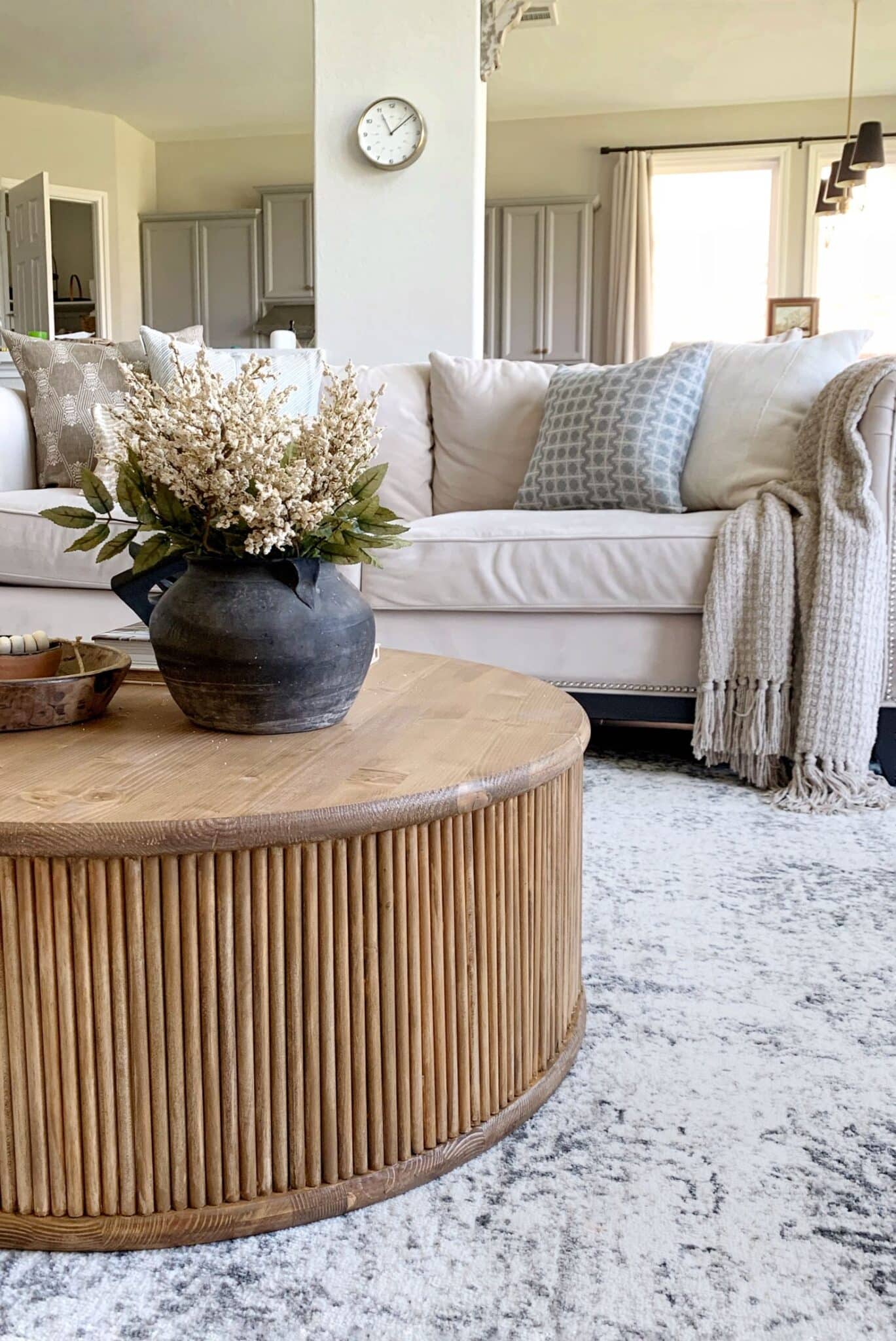
Kitchen-Wide-from-Living-WEB

I personally prefer the spraying method because it gives the smoothest finish if done right. The prep time can be a lot, but I think it is totally worth it for the end result.

For my kitchen, I hired out the cabinet painting, and they sprayed everything inside the kitchen after blocking off the space with plastic sheeting. They were incredibly careful with taping off walls, counters, and all the surrounding surfaces. Watching that process made me appreciate just how much prep work goes into a really good sprayed finish.

So while I do think rolling can be a great way for a DIYer to paint cabinets successfully, I still think spraying gives the best results if your goal is that polished, professional look.

Tips for a Smooth Cabinet Finish No Matter Which Method You Use

Prep is everything

I know prep work is the least glamorous part of any paint project, but it really is the foundation for everything else. If the cabinets are greasy, dusty, glossy, or damaged, the paint will not adhere properly, no matter how fancy the paint is.

Start by removing cabinet hardware and cleaning the cabinet surfaces really well. Clean cabinet doors, drawer fronts, cabinet frames, and cabinet boxes with a degreaser so you are not painting over years of kitchen residue. The good news is this step does not require anything fancy, just consistency.

After cleaning, sand the current finish to help with paint adhesion. Medium-grit sandpaper is often a good starting point, followed by 220-grit sandpaper for smoothing. You can use an orbital sander on larger flat surfaces and a sanding block on edges or detailed areas. Fill dents or hardware holes with wood filler if needed, then wipe away dust with a tack cloth before priming.

Read my beginner’s guide to sanding here.

Use the right primer

A high-quality primer matters just as much as the paint. Use a coat of primer that works with your cabinet material and your type of paint. Acrylic primer is a common choice for many cabinet projects, especially if you are using latex paint or urethane enamel.

If you are covering darker colors, old finish issues, or cabinet finishes with a lot of wear, primer becomes even more important.

Choose the right paint

Cabinets are high-use surfaces, so I would not use random wall paint and hope for the best. Cabinet paint, enamel-based paint, or a durable trim enamel is usually the right paint for the job.

Latex paint has come a long way, and many modern cabinet-specific formulas are extremely durable while being easier to work with than traditional oil-based paint. Benjamin Moore’s Advance is one of the most talked-about options for cabinets, and for good reason. Benjamin Moore Advance paint is known for leveling nicely and curing to a hard finish, which is exactly what you want on cabinet surfaces that see heavy use.

The best paint for one person may not be the best paint for another, though. Your paint store or hardware store can help point you toward the right paint based on your material, workspace, and finish goals.

Apply thin coats

This is one of the biggest secrets to a smooth finish. Thin coats almost always look better than heavy ones. Multiple coats of paint give you more control, better coverage, and a more durable finish in the end.

I know it is tempting to try to get full coverage in one pass, especially with white paint over a dark cabinet color, but thin coats really are the best way to avoid drips, texture, and uneven buildup.

Respect dry time and cure time

Dry time and curing are not the same thing, and cabinets need both. A first coat may feel dry to the touch relatively quickly, but that does not mean the finish is ready for normal use.

Read the paint cans carefully and pay attention to dry time, drying times between coats, and full cure timelines. This part takes patience, but it makes a huge difference in how the cabinets hold up long term. I always think this is a good time to remind people that cabinet paint needs time to harden properly before you start slamming doors and reinstalling everything.

Frequently Asked Questions

Pennies for a Fortune Kitchen Appliances
Is it better to brush or roll cabinets?

Rolling usually gives a smoother finish than brushing alone, especially on flat surfaces. A foam roller is often the better choice for cabinet doors and drawer fronts, while a brush is still useful for corners and detailed areas.

Do professional painters spray cabinets?

Many professional painters do spray cabinets because it creates the smoothest finish and the most even coverage. It also works especially well for full kitchen projects where consistency matters.

Can you paint cabinets without a sprayer?

Yes, absolutely. You do not need a paint sprayer to get a beautiful result. A high-quality brush and foam roller can produce excellent results, especially if you use the right paint, do the prep properly, and apply thin coats.

What kind of paint is best for cabinets?

Cabinet-specific latex paint, enamel, or urethane enamel is usually the best option. The best choice depends on your cabinet material, the current finish, and how durable you need the finish to be.

Can I paint the inside of your cabinets, too?

You can, but whether you should depends on the project. Painting the inside of the cabinet or the cabinet interior can create a more finished look, especially on open shelving or glass-front cabinets. But it also adds a lot more work. Personally, I think it makes the most sense when the inside of your cabinets is very visible or in poor condition.

There is no single best method for painting cabinets because the right choice depends on your space, your tools, and the finish you want.

If you are working on a small project or detailed trim, brushing may be enough. If you want a beginner-friendly option for flat cabinet doors, a foam roller is a great way to go. If your goal is the smoothest finish possible and you are willing to do the prep, a paint sprayer is usually the best way to get that polished result.

For me, the biggest takeaway is that prep matters just as much as paint. Maybe more. The right primer, the right paint, careful sanding, thin coats, and patience with dry time will do a lot of the heavy lifting, no matter which method you choose.

And honestly, that is the really good news. You do not need a perfect setup to get a beautiful cabinet makeover. You just need the right method for your project and the patience to do it well.

Some DIY posts featuring cabinet upgrades:

This post contains affiliate links to products that I used or recommend. If you purchase something through an affiliate link, I may receive a small percentage of the sale at no extra cost to you. I really appreciate your support!
Leave a Reply

Your email address will not be published. Required fields are marked *

Let's be friends!

Subscribe to my newsletter to stay up to date on new blog posts and all of the exciting things to come!

By subscribing, you confirm that you have read and are agreeing to our terms of use regarding the storage of the data submitted through this form.

You May Also Like
DIY Round Fluted Coffee Table

Easy Round DIY Fluted Coffee Table (How to Build + Printable Plans)

Round, fluted coffee tables or reeded trim furniture in general is so on trend right now. From wall paneling with fluted details to accent tables, I've been loving the look and wanted to make my own DIY round coffee table. There are so many DIY coffee table ideas out there but I'm sharing the best easy DIY tutorial which doesn't even require pocket holes! You read that right, no pocket hole screws involved for table legs or anything at all. Let's do this!
Read More