How to Pick Hardware for Cabinets: The Best Guide
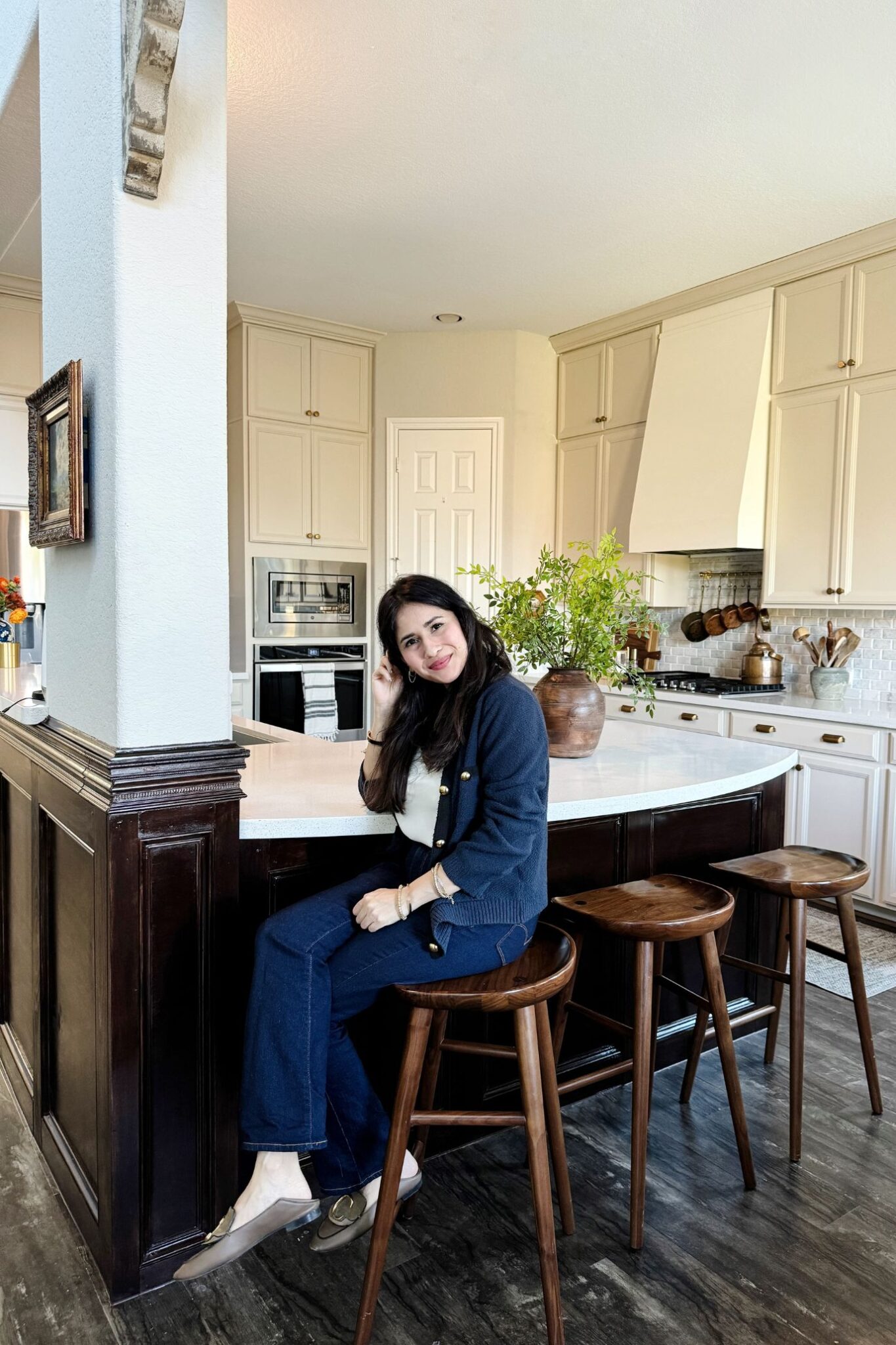
If you’re updating your kitchen and wondering how to pick cabinet hardware that actually fits your space, I’ve got you covered.
Choosing the right knobs and pulls can completely change the look and feel of your cabinetry, whether you’re building from scratch or giving your doors and drawers a refresh.
From polished brass to matte black, from minimal bar pulls to classic cup pulls, this guide walks you through the key decisions so you can confidently choose the best cabinet hardware for your kitchen. I’ll cover different finishes, styles, hardware sizes, and placement tips, plus share my go-to pairings for everything from modern kitchens to transitional spaces.
We’ll also talk about what not to do so you can avoid the tiny knob on a giant drawer moment we’ve all seen.
This is one of the most fun (and surprisingly impactful) parts of the kitchen design process, so let’s dive in.
How to Pick Hardware for Cabinets
Included:
- Understanding Your Kitchen’s Style
- Knobs vs Pulls: What to Use Where
- Getting Size and Placement Right
- Mixing Styles Without Losing Cohesion
- Where to Shop for Cabinet Hardware
Understanding Your Kitchen’s Style: The Starting Point

Before diving into cabinet hardware options, it’s important to consider the style of your kitchen. The overall style—whether it’s modern, traditional, or somewhere in between—will heavily influence your hardware selection. It’s a matter of personal preference, and figuring out your style will make it easier to pick a hardware type.
Modern and Contemporary Kitchens
If your kitchen has a more contemporary look, you’ll want hardware that complements the clean lines and sleek surfaces. Think reflective, shiny cabinets, clean lines, minimalist modern design. Modern hardware often features long pulls, simple bar pulls, or minimalist knobs.
The modern look focuses on functionality and simplicity, making stainless steel appliances and sleek light fixtures the perfect companions. You wouldn’t put an ornate knob in this kitchen.
Traditional Kitchens
Traditional kitchens, on the other hand, often call for more ornate hardware style. Think of classic cup pulls, oil-rubbed bronze finishes, and detailed knobs that add a touch of elegance to cabinet fronts.
These pieces work well in kitchens with rich wood tones and detailed molding. A wood painted knob would also look super cute in this home design.
Transitional Kitchens
If you’re like me and enjoy a mix of modern and traditional elements, a transitional kitchen might be your style of choice. This design style enables you to blend contemporary design with traditional touches, making it an ideal choice for those who want the best of both worlds.
Brass hardware can be an excellent option here, providing a cohesive look that ties the room together. You might have decorative trim work, but also have clean lines in your new kitchen.
Knobs vs Pulls: What to Use Where

Gone are the days when all kitchen hardware had to match perfectly. Today, mixing different styles, finishes, and sizes can add visual interest and personality to your kitchen. It’s a favorite trick of interior designers to mix and match hardware for a unique look.
My only tip here would be to not mix two finishes in your kitchen within the hardware – for example, keep all the knobs and pulls on the cabinets the same finish, BUT your faucet, appliances, and light fixtures can be a different finish.
The only exception to the rule would be to mix wooden knobs with metal knobs or pulls within the kitchen cabinet fronts. My friend Erin from Erin Zubot Designs does this wonderfully in her kitchen.
Knobs and Pulls: A Perfect Combination
One popular choice is to use a combination of knobs and pulls. A good rule of thumb is to place cabinet knobs on doors and drawer pulls on drawers. This method is not only functional but also adds a balanced look to your kitchen.
For larger drawers, consider using longer pulls that provide both style and ease of use, especially on heavy drawers.
Mixing Finishes
This approach works particularly well if you’re aiming for a cohesive design that doesn’t feel too matchy-matchy. Just make sure to keep the rest of the kitchen’s elements, like light fixtures and appliances, in harmony with your chosen finishes.
I would keep all the cabinet hardware ONE finish and then complement it with a different finish for light fixtures, faucets, or even appliances.
Playing with Sizes
Different sizes of hardware can also create a unique look. For instance, using small knobs on upper cabinets and larger pulls on lower drawers can draw the eye and add visual interest.
Additionally, if you have larger cabinets, a longer pull might be the perfect hardware to maintain proportion and functionality.
Getting Size and Placement Right

Getting the size and placement right is soo important to get your desired look. I’ve seen people using tiny knobs on long cabinet drawers, and it looks so odd.
Large drawers should have either two knobs/pulls side by side or one long pull – but I digress.
I’ll add a bunch of pictures as well because it’s easier to observe placement visually in a kitchen space than by reading about it.
Proportions Matter
The size of the hardware should complement the size of the cabinet doors and drawer fronts. For larger cabinets and drawers, it’s a good idea to choose longer pulls that provide both aesthetic balance and practical ease.
On the other hand, small knobs work well on smaller doors and drawers, adding a subtle touch without overpowering the design.
Placement Techniques
When it comes to hardware placement, consistency is key. On upper cabinets, knobs and pulls are typically centered horizontally on the edge of the door.
For lower cabinets, they are usually placed on the top corner of the door.
On drawers, especially larger drawers, it’s common to center the pull horizontally, although placing two small knobs on a wide drawer can also be a stylish choice.
You could also do two long pulls next to each other if it’s a really long drawer.
Mixing knobs and pulls
For reference, a kitchen cabinet knob usually uses a single screw and pulls are longer and use two screw holes to attach. I love using a combination of pulls and knobs in my cabinetry designs.
Usually I use knobs on cabinet fronts and pulls on drawers but I’ve also done it the other way.
Mixing Styles Without Losing Cohesion

Choosing the right finish is like choosing the perfect jewelry for your kitchen. The finish not only complements the style of your kitchen but also ties together other elements like light fixtures and appliances.
There are so many different options out there, you’re bound to find something you love.
Brass and Gold
My personal favorite – brass hardware has been a popular choice for years, and it continues to hold its ground.
Whether you opt for shiny lacquered brass or a more rustic oil-rubbed bronze, brass adds warmth and elegance to both modern and traditional kitchens.
The one thing about gold or brass hardware is that you should always try to get REAL brass. Gold finishes that aren’t made from real brass metal tend to look and feel cheap. Some finishes can look more yellow than others, while some can be more matte and subdued.
Real brass can definitely get more pricey, but if there’s one thing I like to splurge on in a kitchen, it’s the hardware.
Polished brass or lacquered brass is a shiny finish that won’t age or get dull over time. Brushed brass or satin brass is the same thing, but it’s sanded more to make it look more dull. Some brands offer finishes as champagne gold, and they’re a lighter gold color. I
‘d say that champagne gold was a trendy look a few years ago, but brass is timeless.
Unlacquered brass, my personal favorite, is untreated brass which develops a patina over time. With use and time it gets a unique look, giving your hardware a timeworn, classic look. You can always polish it or clean it with bar keeper’s friend to make it look new again.

Antique brass, one of the most popular choices, is a finish that is already aged and treated so it won’t change over time. It has that time worn look that won’t change anymore with use.
Polished Nickel

Polished nickel, another one of my favorites, is a classic choice that gives a warm but modern look. While still in the silver family, it has a warmer tone compared to the cooler, more reflective chrome. It’s a beautiful, timeless finish that pairs well with gold finishes as well.
Brushed Nickel
If you walk into a builder-grade home or a low-budget flip home, this is the finish you will most likely find everywhere. Brushed nickel is economical and spot resistant. It’s warmer in color as compared to chrome, but personally, it’s not a favorite of mine.
Chrome
This finish is particularly popular in contemporary kitchens and works well with stainless steel appliances. It’s a cooler-toned silver than polished nickel and highly reflective. Again, it pairs well with gold or black hardware.
Oil-Rubbed Bronze
Oil-rubbed bronze is perfect for rustic kitchens or spaces where you want a rich, dark finish. This finish pairs beautifully with natural wood tones and adds a cozy, welcoming feel.
Although it’s less common in contemporary designs, oil-rubbed bronze can still make a bold statement, especially when used on cabinet pulls and knobs in more traditional kitchens.
Black
Black hardware is versatile and works well in a variety of settings. It provides a strong contrast when paired with white cabinets, creating a modern, minimalist look.
Black pulls and knobs can also be a great option for adding drama to light cabinetry or wood finishes.
Practical Considerations: Beyond Looks

While the aesthetic appeal of hardware is important, don’t overlook the practical side. The right hardware should not only look great but also function well in your daily life.
Some hardware can feel clunky or difficult to open, so you want to steer clear of that.
Comfort and Usability
Before making your final decision, test how the hardware feels in your hand. Cabinet pulls and knobs should be comfortable to grip, especially on frequently used drawers and doors. For heavier drawers, consider a longer pull that offers better leverage and ease of use.
Durability
Investing in high-quality hardware is always a smart move. Cheaper options might seem tempting, but they can wear out quickly, especially in a busy kitchen.
Look for hardware made from durable materials like solid brass or stainless steel, which can withstand daily wear and tear.
As I mentioned previously, buying real brass hardware over other cheaply made gold hardware can really impact the look and feel of the space.
Maintenance
Different finishes require different levels of maintenance. For instance, oil-rubbed bronze and brass may need occasional polishing to maintain their luster, while polished nickel and chrome can show fingerprints and water spots more easily.
Choose a finish that fits your lifestyle and the amount of maintenance you’re willing to do. I personally don’t mind some smudges or a patina over time.
Where to Shop for Cabinet Hardware


Now that you know what to look for, it’s time to find the perfect cabinet hardware for your kitchen.
Specialty Hardware Stores
For high-quality and unique pieces, specialty hardware stores are a great option. Stores like Emtek or Rejuvenation offer a wide range of cabinet hardware finishes and styles, from modern hardware to more classic, traditional options. They are definitely $$$, but so worth the final look.
Stores like Build with Ferguson, Pottery Barn, Crate and Barrel, Anthropologie, etc, also carry hardware that’s really good quality.
Online Marketplaces
Etsy is a fantastic resource for finding one-of-a-kind hardware. You can discover handmade cabinet knobs, vintage pulls, wooden knobs, and other decorative hardware that adds character to your kitchen. Just be sure to check the seller’s reviews and return policy before making a purchase.
Big-Box Retailers
For budget-friendly options, big-box stores like Home Depot and Lowe’s offer a wide selection of hardware. While these options might not have the same level of craftsmanship as specialty stores, they’re a great choice for those looking to update their kitchen without breaking the bank.
Amazon has lately been a favorite of mine for affordable hardware. It takes a while to find something that’s well-made, but it’s worth the hunt.

Home
Solid Brass Knobs

Home
Large Oval Latch

Home
Tolson Drawer Pull

Home
Matte Black Handles

Home
Ball Cabinet Knob

Home
Grace Drawer Pull

Home
Unfinished Wood Knobs

Home
Bin Cup Handle Pulls

Home
Bin Cup Handle Pulls
How to Install Cabinet Hardware

Once you’ve selected the right size, style, and finish for your hardware, it’s time to install it. Here’s a step-by-step guide to help you get it just right.
Gather Your Tools
You’ll need a measuring tape, a drill with the appropriate bits, a level, painter’s tape, and a pencil. These tools will help you measure and mark the placement of your hardware accurately.
Measure and Mark
Use painter’s tape to mark where your hardware will go on the cabinet fronts. This allows you to visualize the placement and make any adjustments before drilling. Remember to measure twice to avoid mistakes.
Pre-Drill Holes
Pre-drilling holes is essential to ensure that your hardware installs straight and securely. It also prevents the wood from splitting, especially on cabinet doors made from delicate materials.
Install the Hardware
Carefully attach your cabinet knobs and pulls using a screwdriver. Make sure they are securely fastened but avoid overtightening, which can strip the screws or damage the hardware.
Check Alignment
Once everything is installed, step back and check the alignment of your hardware. You might need to make small adjustments to ensure that everything lines up perfectly and complements the look of your kitchen.
FAQs
What size cabinet hardware should I use?
A good rule of thumb is to choose pulls that are one-third to one-half the width of your drawer front. For smaller drawers, a single knob or 3-4 inch pull works well. For wider drawers, you can either center one long pull (6 inches or more) or use two knobs or two smaller pulls spaced evenly. It all comes down to proportion and balance.
Should I use knobs or pulls in my kitchen?
I love using a mix of both. Knobs are great for cabinet doors because they’re easy to grab and tend to feel more classic. Pulls work best on drawers since they give you more leverage, especially on heavy ones. You can absolutely use all knobs or all pulls if that’s your style, but mixing them adds visual interest and helps define function.
Can I mix hardware finishes in one kitchen?
Yes, but you want to be intentional about it. I recommend sticking with one finish for your cabinet hardware to keep things cohesive. Then mix in other finishes through lighting, faucets, or appliances. One exception: I’ve used wooden knobs on upper cabinets with metal pulls on drawers, and it can look so good if the rest of your kitchen ties it together.
What’s the most durable finish for cabinet hardware?
If your kitchen gets a lot of use (hello sticky hands and daily cooking), go with a finish that’s easy to clean and holds up over time. Solid brass, stainless steel, and matte black are all durable picks. Polished nickel is also a favorite of mine. It has a warm tone but cleans up beautifully.
How do I choose cabinet hardware for a modern kitchen?
Look for hardware with clean lines, simple silhouettes, and minimal detail. Bar pulls, edge pulls, or sleek matte black hardware all work beautifully in a modern space. Focus on function and finish. Brushed gold or flat black are great choices if you want a modern feel without it looking cold.
How do I know where to place cabinet hardware?
Upper cabinet knobs usually go 2.5 to 3 inches from the bottom corner, while lower cabinet knobs go about the same distance from the top corner. Pulls should be centered on drawers, unless the drawer is very wide. In that case, two pulls or one oversized pull works better. For extra help, grab a hardware placement template or painter’s tape to test spacing before you drill.
Selecting the perfect cabinet hardware can transform the look and feel of your kitchen. Whether you’re drawn to the clean lines of modern hardware, the warmth of oil-rubbed bronze, or the classic look of brass, the right hardware will enhance your kitchen design and make your space feel uniquely yours.
Remember, this is a chance to express your personal style, so have fun with it and enjoy the process of making your kitchen truly shine!
For more home tips, check out these posts:
This post contains affiliate links to products that I used or recommend. If you purchase something through an affiliate link, I may receive a small percentage of the sale at no extra cost to you. I really appreciate your support!