Best Primer for Oak Cabinets


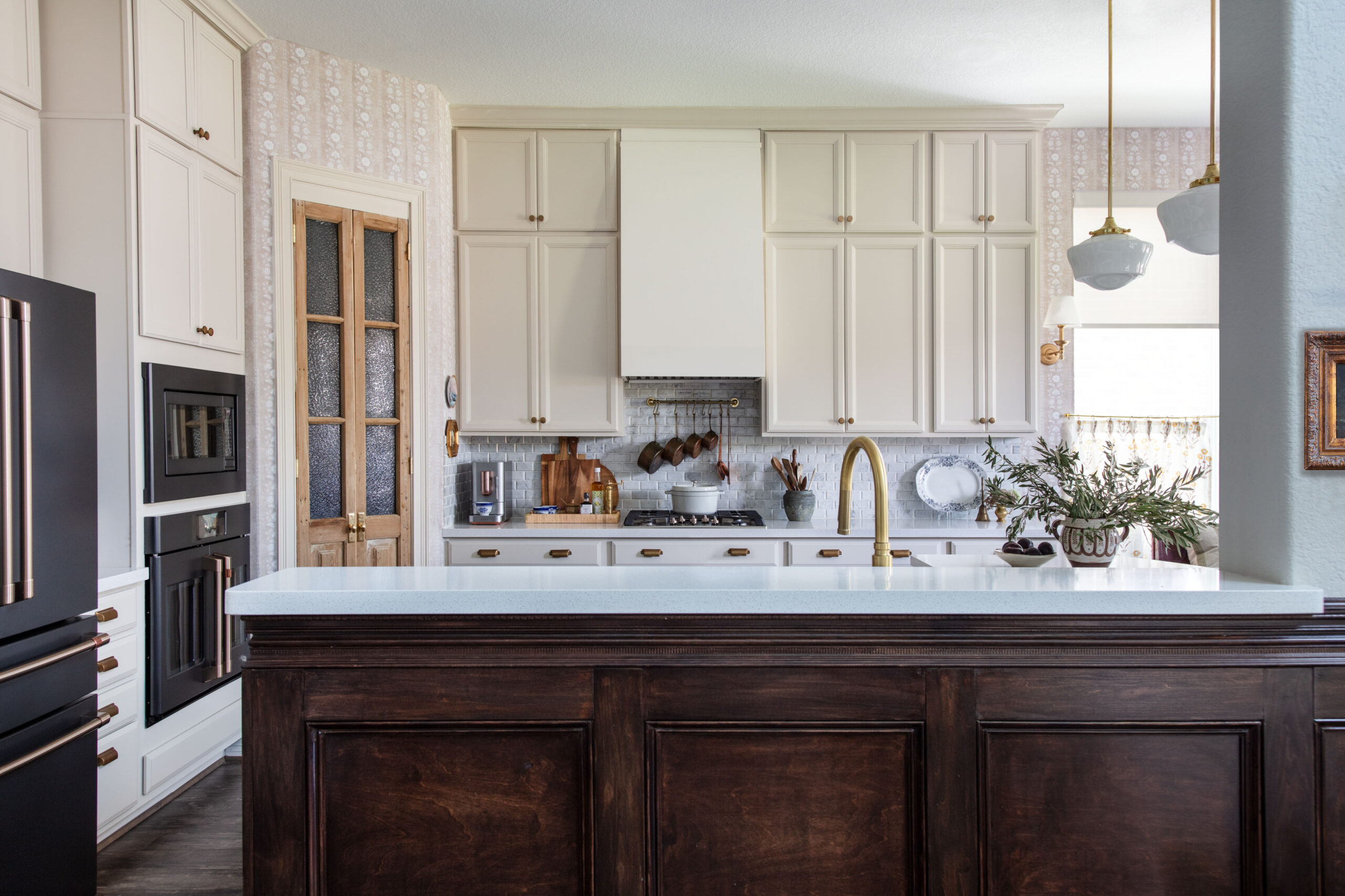
Modern Kitchen Island Remodel Before
Before Picture from a Client Kitchen Remodel

Best primer choices matter more with oak than with almost any other wood species. Oak kitchen cabinets are strong, timeless, and built to last a long time, but they also come with two challenges that make cabinet painting difficult for beginners and even frustrating for professional painters.

Oak has deep wood grain and naturally high tannin content. When you paint old oak cabinets, especially honey oak cabinets, those tannins can migrate through paint layers and show up as yellow or brown stains. This is most noticeable under a white color or any lighter color paint finish.

If you have ever painted cabinet doors or drawer fronts and noticed dark spots appearing days or weeks later, that is tannin bleed-through. The good news is that this problem is completely preventable with the right primer and proper prep.

In this guide, I am breaking down:

  • The best primer for oak cabinets based on real-world results
  • Oil-based primer versus shellac-based primer versus water-based primer
  • Why tinting primer to your paint color is a great way to get better coverage
  • Step-by-step prep for cabinet painting
  • How to get a professional finish that holds up to a lot of use

This applies whether you are updating an entire kitchen, painting new cabinets, or refreshing old oak cabinets during a remodel.

Why Oak Cabinets Are Harder to Paint Than Other Woods

Modern Kitchen Remodel Before
Before Picture from a Client Kitchen Remodel

Oak is a common hardwood used by custom cabinet companies and builders because it is durable and takes stain well. That same durability is what causes trouble when you switch from stained wood to paint.

The Two Biggest Issues With Oak Cabinets

Tannin Bleed-Through

Oak contains tannins that can seep through primer and later paint layers. Without chemical blocking from the right primer, stains will show through even after the final painting stage.

Open Wood Grain

Oak has a prominent wood grain that does not disappear under paint. If you skip prep or rush primer coats, the final result can look rough instead of smooth.

Professional painters and interior designers know that the most important step in painting cabinets is surface prep and primer choice. Paint itself is a relatively unimportant criterion if the base surface is not handled correctly.

What Makes the Best Primer for Oak Cabinets

Before choosing a product, it helps to understand the primary purpose of a primer in cabinet painting.

What Oak Cabinets Need From a Primer

  • Chemical blocking to stop tannin bleed
  • Strong adhesion to previously finished surfaces
  • Sandability for a smooth finish
  • Compatibility with later paint and top coat
  • Durability over time

The notion of chemical blocking is especially important. Oak needs shellac-containing primers or oil-based primers that physically lock tannins into the given surface.

Shellac-Based Primer for Oak Cabinets

Zinsser Shellac Primer

Zinsser B-I-N Shellac Primer is widely considered the best product for oak cabinets when stain bleed is a concern.

This shellac-based primer seals tannins extremely well and dries fast, which makes it popular with professional painters working on large cabinet painting jobs.

Why It Works So Well

  • Excellent tannin and stain blocking
  • Dries quickly, often within 45 minutes
  • Sands easily for a smooth finish
  • Creates an excellent substrate surface for later paint

Things to Know

  • Strong odors during application
  • Contains volatile organic compounds
  • Requires protective measures such as ventilation and a good cartridge respirator
  • Clean brushes with denatured alcohol

Shellac primers are not low VOC and do not fall under the use of low-VOC materials, but they remain the best choice for problem oak and stained areas.

For DIY project painters, the smell is usually temporary and worth it for the durability of primers and long-term paint durability.

Oil-Based Primer for Oak Cabinets

Oil-based primer has been the go-to choice for painting oak cabinets for decades. Many design architects, building designers, kitchen specialists, and bathroom remodelers still rely on oil primers for stain blocking.

A standout option is Zinsser Cover Stain Oil-Based Primer.

Benefits of Oil-Based Primer

  • Strong stain blocking
  • Better adhesion on slick surfaces
  • Durable finish
  • Lower odor than shellac, but still noticeable

Downsides

  • Longer dry times
  • Requires mineral spirits for clean-up
  • Still contains volatile organic compounds

Oil-based primer is a good choice if shellac feels intimidating or if your paint shop recommends oil for your specific cabinets.

Water-Based and Bonding Primers for Oak Cabinets

Sherwin Williams ProBlock Primer

A water-based primer or bonding primer is often chosen for low odor and easier cleanup. Products like Benjamin Moore Stix or Sherwin Williams Extreme Bond offer excellent adhesion.

These primers are:

  • Designed for better adhesion
  • Lower odor and low VOC
  • Easier for DIY cabinet painting

However, most water-based primers are not dedicated stain blockers. If tannins are present, they should be used only after a shellac or oil-based primer has sealed the wood.

This layered approach is a great way to combine stain blocking with low odor, later coats.

Tinting Primer to Match Your Paint Color

Here is some good news that many DIY painters do not realize. You do not always need white primer.

You can ask the paint shop to tint your primer to match your paint color or at least a lighter version of it. This is especially helpful when using dark colors or bold paint colors.

Why Tinting Primer Helps

  • Better coverage in fewer coats
  • More even paint finish
  • Reduced the chance of thin or blotchy areas
  • Less hard work during the final painting

For example, if you are painting oak cabinets a deep gray, navy, or green, a tinted primer reduces how many coats of paint you need for the best results.

Tinting works with oil-based primer and some shellac-containing primers. Ask your paint shop what type of primer can be tinted safely.

Do You Need Grain Filler for Oak Cabinets

Oak grain is visible even after primer. Whether to use grain filler is a matter of opinion and depends on the final look you want.

When Grain Filler Is Worth It

  • You want a furniture-smooth, professional finish
  • You are painting the cabinets a white color
  • You dislike visible wood grain under paint

When You Can Skip It

  • You do not mind seeing some wood grain texture
  • You are using darker colors
  • You want to save time and effort

Grain filler adds a lot of work but delivers fine finishes that many interior designers prefer for high-end kitchens.

Step-by-Step Prep for Painting Oak Cabinets

Prep is the most important step in painting cabinets. Skipping prep leads to poor adhesion and early failure.

Step 1. Remove Cabinet Doors and Hardware

Remove cabinet doors, drawer fronts, hinges, and pulls. Label everything. Painter’s tape and sticky notes help avoid confusion later.

Step 2. Degrease Thoroughly

Use a strong degreaser. Kitchens collect grease, especially near dining bar stools and cooking areas. Any residue left behind affects adhesion.

Step 3. Rinse and Dry

Wipe down with clean water and let everything dry completely.

Step 4. Sand Lightly

Use 120 to 150 grit sandpaper. You are not stripping to raw wood. You are creating a tooth for the primer. You can also use a sanding sponge.

Step 5. Clean Again

Vacuum dust and wipe with a tack cloth. Dust ruins paint jobs.

Step 6. Fill Small Holes

Fill any small hole or dent with wood filler. Sand smooth once dry.

Applying Primer to Oak Cabinets

How Many Coats of Primer

  • One coat of primer may be enough for darker paint colors
  • Two coats of primer are common for white or lighter color finishes
  • Spot prime any stained area that shows bleed-through

Always let the primer dry fully before sanding or applying a second coat.

Make sure to use a quality bucket for your primer, like this one.

Application Methods

  • Paint sprayer for the smoothest professional finish
  • Foam roller for flat areas
  • Quality brush for corners and edges

Quality Brushes:

Avoid heavy coats. Thin, even coats reduce brush marks and improve adhesion.

Painting and Top Coating After Primer

Primer is not a protective finish. Your top coat determines durability.

Best Paint for Cabinets

  • Waterborne alkyd cabinet paint
  • Acrylic enamel paint

These paints level well and cure to a durable finish suitable for an entire kitchen.

Avoid oil-based paint for the top coat unless recommended by professional painters for a specific use case.

Do You Need a Clear Top Coat

Most professional painters do not recommend a separate clear coat. Modern cabinet paints are designed for durability without extra layers.

Let the paint cure fully. Dry to the touch does not mean cured. Full cure can take 7 to 14 days.

Common Mistakes to Avoid When Painting Oak Cabinets

  • Skipping degreasing
  • Using only a water-based primer on tannin-rich oak
  • Not sanding between coats
  • Painting in high humidity
  • Rushing the cure time
  • Ignoring strong odors without protective measures

Painting cabinets is a lot of work, but mistakes usually come from rushing, not a lack of skill.

How Primer Choice Affects Long-Term Paint Durability on Oak Cabinets

When people talk about cabinet painting, the conversation usually focuses on color, sheen, or the final paint finish. What often gets overlooked is how deeply primer choice affects the long-term durability of your cabinets, especially with oak.

Oak kitchen cabinets experience a lot of use. Cabinet doors and drawer fronts are touched constantly. Oils from hands, moisture from cooking, and daily cleaning all put stress on the paint system. If the primer underneath is not doing its job, even the best paint will eventually fail.

The primary role of primer is not just adhesion. It also stabilizes the base surface so your later paint layers behave predictably. On oak, this matters because the wood grain expands and contracts with temperature and humidity changes. A high-quality primer creates a buffer that reduces movement and prevents cracking, peeling, and early wear.

This is where shellac-based primer and oil-based primer consistently outperform water-based options. These primers physically seal the wood fibers and lock in tannins. That chemical blocking reduces moisture transfer and creates an excellent substrate surface for paint. Professional painters rely on these primers because they hold up under real-world conditions, not just showroom lighting.

Another important factor is how primer impacts sanding between coats. A good primer sands to a powder, not a gummy residue. This allows you to knock down texture and brush marks easily, which leads to a smoother final result. Cheap or incorrect primer tends to clog sandpaper and leaves uneven patches that show through paint.

Durability is also affected by how many coats of primer you apply. One coat may be enough for darker colors, but lighter color finishes and white cabinets often benefit from two full coats of primer. Each coat adds thickness and improves uniformity across the surface, especially on older oak cabinets with deep grain.

Tinted primer plays a role here as well. When primer is tinted close to your paint color, your top coat does not have to work as hard. This reduces the temptation to apply thick paint layers, which can lead to sagging, slow curing, and reduced durability. Thin, even coats over a well-chosen primer system always outperform heavy coats applied to a weak base.

If you are investing the time and effort into painting an entire kitchen, primer is not the place to cut corners. The right primer choice is what separates cabinets that look good for six months from cabinets that still look good years later.

Frequently Asked Questions

Do I need to sand oak cabinets before priming?

Yes. Light sanding improves adhesion and durability.

What causes brown stains after painting oak?

Tannin bleed-through from the wood grain.

Is shellac primer better than oil-based primer?

Shellac is often more reliable for severe staining.

Can I use low VOC primer on oak cabinets?

Yes, but only after blocking stains with shellac or oil.

Should primer be tinted?

Yes. Tinting primer is a great way to improve coverage and the final result.

Choosing the best primer for oak cabinets determines the success of your paint job more than any other decision. Oak demands the right primer, careful prep, and patience.

My personal experience has shown that shellac-based primers, like B-I-N, or high-quality oil-based primers deliver the best adhesion and long-term durability. Combine that with proper sanding, clean surfaces, and tinted primer when appropriate, and you can achieve a professional finish that holds up to daily use.

Painting oak cabinets is hard work, but with the right primer, the final result is worth it.

This post contains affiliate links to products that I used or recommend. If you purchase something through an affiliate link, I may receive a small percentage of the sale at no extra cost to you. I really appreciate your support!
Leave a Reply

Your email address will not be published. Required fields are marked *

Let's be friends!

Subscribe to my newsletter to stay up to date on new blog posts and all of the exciting things to come!

By subscribing, you confirm that you have read and are agreeing to our terms of use regarding the storage of the data submitted through this form.

You May Also Like
DIY Round Fluted Coffee Table

Easy Round DIY Fluted Coffee Table (How to Build + Printable Plans)

Round, fluted coffee tables or reeded trim furniture in general is so on trend right now. From wall paneling with fluted details to accent tables, I've been loving the look and wanted to make my own DIY round coffee table. There are so many DIY coffee table ideas out there but I'm sharing the best easy DIY tutorial which doesn't even require pocket holes! You read that right, no pocket hole screws involved for table legs or anything at all. Let's do this!
Read More