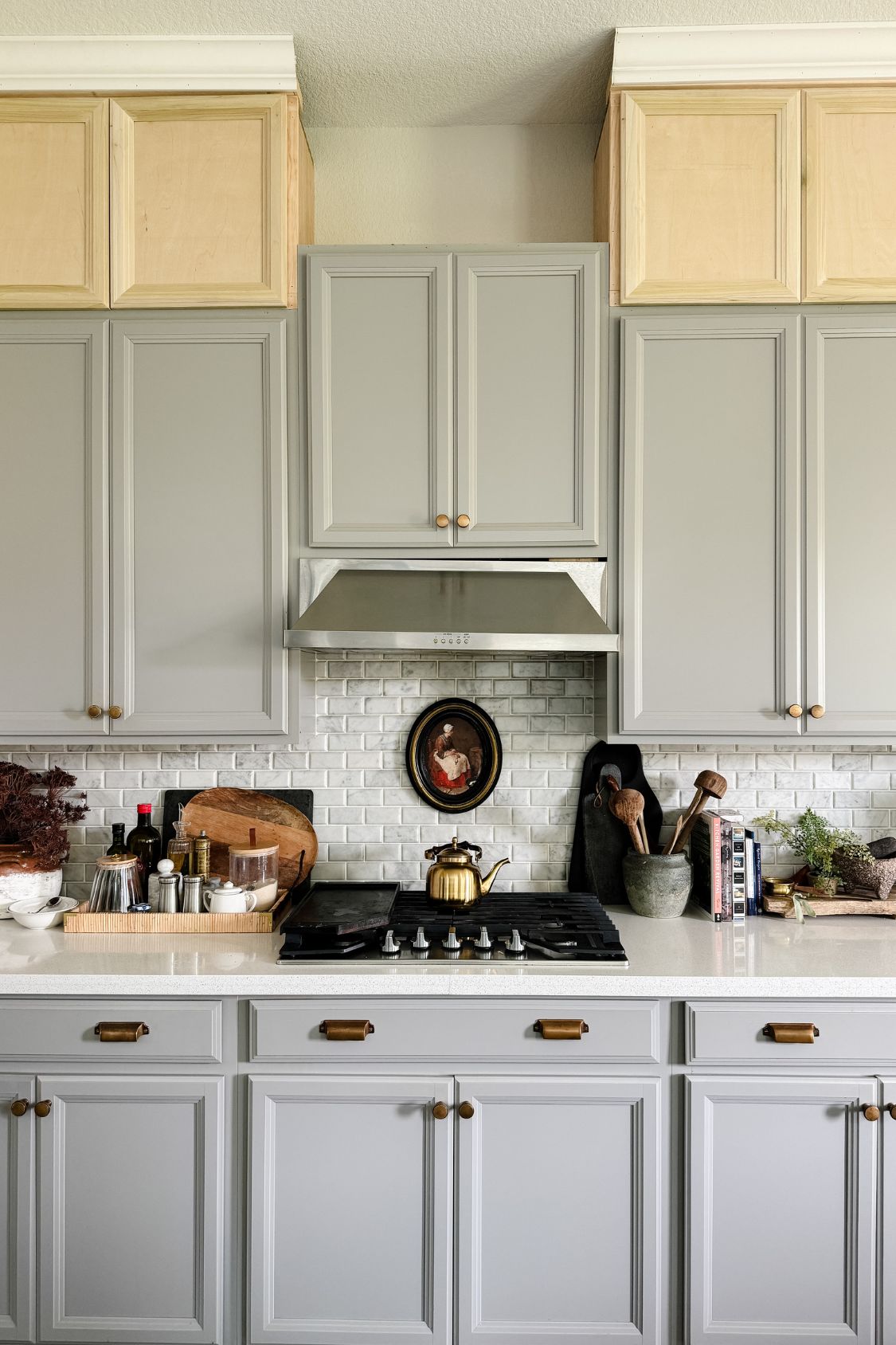
How to Patch a Drywall Hole the Easy Way
Hey guys! Today’s post is sponsored by 3M, a brand I trust and have used for years. You might remember my post on gallery walls using the 3M CLAW Drywall Picture Hangers, and today we’re talking about something a little less glamorous but totally necessary… patching holes in your drywall.
Between moving furniture, experimenting with hanging picture frames, or just changing your mind halfway through a project (guilty), small holes, dents, or even doorknob-sized holes can pop up out of nowhere.
Luckily, 3M’s High Strength Small Hole Repair Kit makes it ridiculously easy to patch them up and move on. I used it recently during my media room makeover when I had a change of heart mid-project and was left with a big ol’ 2.25″ hole in the wall.
Let’s just say, it was definitely too big for just a dab of spackle.

Common Types of Drywall Holes (and What to Use)
Not all drywall holes are created equal, and using the right method for the size of the hole can make a huge difference in the end result. Here’s a quick breakdown:
- Tiny teeny holes or small nail holes: these are perfect for spackle-only fixes or dry-wall repair putty
- Small dents, screw holes, or holes under 3″: use the 3M High Strength Small Hole Repair Kit
- Medium holes (up to 5″): try 3M’s High Strength Large Hole Repair Kit
- Larger holes or anything that shows underlying issues: may need a new piece of drywall, furring strips, and joint tape
When in doubt, check the patch size against the product specs or ask at your local hardware store.
When Projects Require Wall Repair
Sometimes, when you haven’t planned your project all the way through or even after tons of careful planning, things can go wrong. Mistakes are bound to happen, and the important thing is to know how to fix them and move forward with the project.
I made one such mistake in my recent media room makeover and was left with a gaping 2.25″ hole in the wall. Okay, so it wasn’t really a mistake; it was more me changing my mind about putting a wall sconce in the spot I made a hole in.


Step-by-Step Guide: How to Patch a Drywall Hole with 3M
Here is a straightforward list of how to use the 3M High Strength Small Hole Repair Kit to fix the damaged area in your wall, and yes, this is beginner-friendly!
1. Prep the hole and the surrounding wall
Use a utility knife to trim away loose drywall or debris around the edges of the hole. Wipe the area clean so the self-adhesive mesh patch sticks properly to the wall surface.
2. Apply the patch
Peel the sticky side of the mesh patch and press it firmly over the hole. Make sure it fully covers the edges of the hole for adequate support.
3. Spackle and spread
Open the spackling compound included in the kit and apply a small amount using the back of your putty knife. Press it into the mesh, and then smooth it outward in a crisscross pattern to blend with the rest of the wall. Feather the compound blend at the edge of the patch for a smooth finish.
4. Sand lightly once dry
After the dry time, gently sand the patched area with the included pad. You don’t need much sanding, just enough to smooth high spots. Always wear a dust mask for safety.
5. Paint and blend
Once you’ve got smooth walls, paint over the patch using a roller or brush, blending the color into the surrounding wall. For added texture, try texture sponges or mimic an orange peel finish if that matches your wall.
What If You Have Bigger Holes?
For larger holes or places with underlying issues, 3M makes a High Strength Large Hole Repair Kit, which includes more durable support. You may need to cut a new piece of drywall, use drywall screws, and apply drywall tape or paper tape to seal the seams. These fixes take more steps but still follow the same basic principle: patch, spackle, sand, paint.
If you’re dealing with an entire wall or major damage, that might be a future blog post (or a job for a pro).
Pro Tips for Drywall Repair Success
- Use thin layers of spackling compound; don’t glob it on
- Always check for underlying issues like moisture or cracks
- Don’t skip feathering the tip of your putty knife at the edges
- A cohesive look depends on the right tools, patience, and a little bit of sanding
- Take a photo before covering up screw holes, just in case you need to remember what’s behind the wall
Why I Loved Using 3M’s Kit
This was honestly my first time tackling a repair this size solo, and it couldn’t have gone smoother. Everything I needed was in one box. No running around to buy drywall patches, joint tape, or separate drywall compound.
I appreciated how quick it was to use and how easy the instructions were to follow. It’s perfect for small holes, medium dents, or anyone who wants to make a repair that blends seamlessly into the wall without hours of sanding.
And yes, I’ll definitely be using this again. I already have a few more screw holes to tackle (thanks to me moving picture frames around the living room again).
Have You Tried Wall Repair Yourself?
Tell me how it went in the comments box below, especially if you’ve had success with other drywall patch kit brands or have a clever trick for getting a smooth finish. And if you’re on TikTok, make sure to tag me in your before-and-afters. I’d love to see them!
FAQs
What’s the best way to patch small holes in drywall?
For small holes up to 3 inches wide, a drywall patch kit like the 3M High Strength Small Hole Repair Kit is a great option. It includes everything you need, like a self-adhesive mesh patch, spackling compound, and sanding pad, and gives you a smooth finish without much effort.
Can I use spackle to fix screw holes or small nail holes?
Yes. For tiny teeny holes, like small nail holes or screw holes, a small amount of spackling compound or dry wall putty repair is all you need. Use the tip of your putty knife to press it in, then smooth it out and let it dry before sanding.
How do I fix larger holes in drywall?
For larger holes or medium-sized holes over 3 inches, you may want to use 3M’s High Strength Large Hole Repair Kit. For anything bigger, consider cutting a new piece of drywall, adding furring strips for adequate support, and using drywall screws and joint tape for a strong repair.
Do I need to sand the patched area before painting?
Yes, light sanding is important if you want a smooth finish. Once the spackling compound is fully dry, gently sand the patched area to blend it with the rest of the wall. You don’t need much sanding, just enough to smooth any high spots or edges.
What tools do I need to patch drywall holes?
For most small holes, you will need a drywall knife, a patch, spackling compound, and a sanding pad. For larger repairs, you might also need a utility knife, drywall tape, joint tape, drywall compound, or even a new piece of drywall, depending on the size of the hole.
Can I get everything I need in one kit?
Yes, and that’s one of the best parts. The 3M kits are all-in-one and make drywall repair simple. You can pick them up at your local hardware store and have everything you need ready to go without buying separate tools or materials.


This post contains affiliate links to products that I used or recommend. If you purchase something through an affiliate link, I may receive a small percentage of the sale at no extra cost to you. I really appreciate your support!