How to Build Furniture for Beginners Guide


Building your own furniture

Building furniture often sounds far more complicated than it actually is. If you have ever looked at a coffee table, side table, or dining room bench and thought you could never build something like that, you are not alone. Furniture making has a reputation for being difficult, expensive, and reserved for people with professional workshops and years of experience. This guide will walk you through the exact steps of how to build furniture for beginners!

The reality is much simpler. You do not need rare woods, advanced math skills, or the best tools on the market to build your own furniture. You do not need a long time, either. What you need is a basic understanding of tools, materials, and simple woodworking techniques, plus the willingness to learn through hands-on practice.

Furniture building is a skill, not a talent. Every woodworker started with crooked cuts, uneven surfaces, and projects that took much more time than expected. Those early mistakes are part of the learning curve, not a sign that you are bad at woodworking.

This guide is written for beginners who want to build real furniture pieces, understand which tools actually matter, avoid common mistakes, and start with great beginner projects that build confidence instead of frustration.

What Counts as Beginner Furniture

DIY Coffee Table
From My DIY Modern Coffee Table Project

Beginner furniture is simple, functional, and forgiving. These are furniture projects that rely on straight cuts, strong joints, and designs that do not require perfection to look good. The goal of your first project is not flawless results. The goal is learning basic skills and finish something usable.

Great Beginner Furniture Projects

These projects teach transferable skills such as measuring, making an accurate cut, sanding to a smooth surface, and assembling pieces of wood squarely.

What Beginners Should Avoid at First

  • Drawers, which require precision and patience
  • Intricate designs with curves or tapers
  • Complex projects that involve advanced joinery techniques
  • Load-bearing seating without experience

Starting with simple beginner projects is a good choice. Simple does not mean boring. It means achievable.

Tools You Need to Build Furniture Without a Full Workshop

You do not need every power tool you see online. Many people delay building furniture because they think they need the best tools before they can start. In reality, a small set of basic tools will handle most beginner furniture projects.

Basic Tools Every Beginner Should Have

Basic Tools You Should Have
  1. Tape Measure
  2. Hammer
  3. Screwdrivers
  4. Laser Level and Bubble Level
  5. Box Cutter/Utility Knife

& many more – check out this guide for the 35 essential tools for beginners!

Power Tools You Can Add Later

Power Tools to Upgrade Your Workshop
  1. Brad Nailer/Nail Gun
  2. Compound Miter Saw
  3. Circular Saw
  4. Oscillating Multi Tool
  5. Jigsaw

If you are shopping at Home Depot or a similar store, focus on reliability, not brand hype. The right tools are the ones you can afford and feel comfortable using.

Choosing the Right Materials for Beginner Furniture

Materials can make or break a woodworking project, especially when you are learning. The right materials reduce frustration and help your furniture piece look better with less effort.

Best Wood Options for Beginners

DIY Building Furniture
  • Plywood, which is stable and great for furniture building
  • Common hardwoods like red oak
  • White pine, which is easy to cut and widely available
  • Construction lumber, when carefully selected

Plywood is often a great option for a first project because it resists warping and provides consistent thickness.

Wood Types to Avoid Early On

  • Rare woods that are expensive and unforgiving
  • Live-edge slabs
  • Boards with heavy twisting or cupping

When selecting boards, always look down the length of the wood grain. Avoid boards with visible warping. Take extra time to pick quality pieces. This small effort saves much time and hard work later.

Basic Furniture-Building Skills Every Beginner Should Learn

You do not need advanced woodworking techniques to build furniture, but there are a few basic skills that appear in almost every woodworking project.

Core Skills to Practice

  • Measuring and marking accurately
  • Making straight and square cuts
  • Understanding wood grain direction
  • Sanding progressively for a smooth surface
  • Drilling pilot holes
  • Keeping assemblies square
  • Working on a flat surface

These basic skills form the foundation of furniture making. Once they feel natural, more complex projects become far less intimidating.

Joinery Techniques for Beginners

Joinery refers to how pieces of wood connect. Strong joints matter more than fancy joints when you are starting out.

Beginner-Friendly Joinery Choices

  • Screws and wood glue
  • Pocket hole joinery
  • Pocket screws with pocket hole screws
  • Properly done butt joints
  • L-brackets when hidden

Pocket hole joinery is especially popular for beginner furniture. A Kreg pocket hole jig makes it easy to create strong joints with minimal setup.

Joinery Methods to Save for Later

  • Mortise and tenon
  • Dovetails
  • Traditional biscuit joinery
  • Complex miter joint assemblies

Simple joinery does not mean weak furniture. When done correctly, these methods produce strong joints suitable for everyday use.

Planning Your First Furniture Project

A solid project plan is one of the most overlooked parts of furniture building. Beginners often rush into cutting without thinking through the build.

A Simple Project Plan Framework

  1. Choose a simple design
  2. Use free plans or detailed plans made for beginners
  3. Identify the type of wood and materials needed
  4. Cut all pieces of wood before assembly
  5. Dry fit everything
  6. Assemble in stages
  7. Sand, apply finish, then complete final assembly

Breaking a build into steps keeps the project from feeling overwhelming and helps you avoid mistakes that waste material.

Easy Furniture Projects for Beginners (With Real Examples)

One of the best ways to learn furniture building is to start with a project that already has a clear plan. Using beginner-friendly tutorials and free or detailed plans removes a lot of guesswork and helps you focus on learning basic skills instead of fixing mistakes.

Below are great beginner projects that use simple joinery, basic tools, and proven designs. Each one teaches something slightly different, which is exactly what you want when building your own furniture for the first time.

Coffee Table Projects

A coffee table is one of the most popular first furniture projects for a reason. It introduces measuring, cutting, assembly, sanding, and finishing without being overwhelming. A well-built coffee table also becomes a centerpiece in your living room, which makes it especially rewarding.

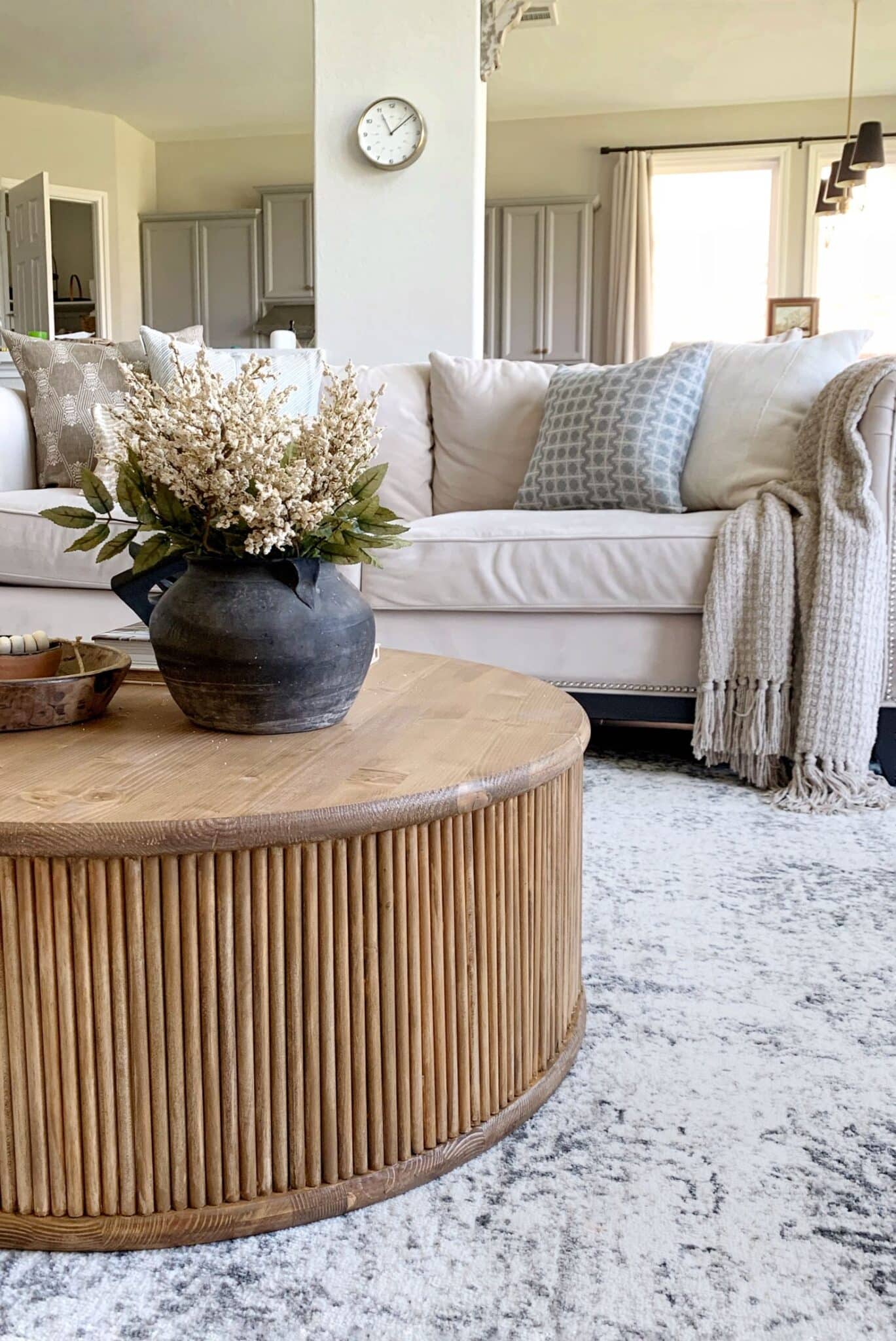
DIY Round Fluted Coffee Table
From My DIY Fluted Round Coffee Table Project

This DIY Round Fluted Coffee Table Guide is a great project for beginners who want to try something stylish without tackling complex joinery or intricate designs. The guide walks through material choices, layout, and finishing so you can focus on learning furniture-making fundamentals.

Bench Projects

Benches are excellent beginner builds because they rely on straight cuts and strong joints. They also help you understand weight support and basic structure without requiring advanced joinery techniques.

Source: Shelley Bates Home

This Easy DIY Rustic Bench is a good option for beginners working with construction lumber. It teaches how to select boards, deal with minor imperfections, and assemble a sturdy furniture piece that works in a dining room, entryway, or at the foot of a bed.

Console Tables and Desks

Console tables and desks are great beginner projects because they combine simple frames with flat surfaces. These builds help you practice keeping assemblies square and creating a smooth table top.

Source: Grace Oaks Design

This DIY Wood Console Table is a straightforward furniture building project that works well behind a sofa or along a wall. It is a great way to practice accurate cuts and clean assembly while building a functional piece of furniture.

$30 DIY Home Office Desk shiplap thunderous wall paint color
From My DIY Wood Desktop Project

If you need a workspace, these DIY Wood Desktop Ideas for a Home Office are a smart starting point. Building a desktop helps you learn how different wood types behave, how to glue up panels, and how to finish a large flat surface properly.

Shelving Projects

Shelves are some of the most beginner-friendly furniture projects available. They require minimal materials, basic tools, and simple installation, but they still teach essential woodworking skills.

Vintage Artwork Styling
From My DIY Floating Shelves Project

These DIY Floating Shelves With Iron Brackets are perfect for learning straight cuts, spacing, and wall mounting. They also work well in living rooms, kitchens, and home offices.

$30 How to DIY Home Office Desk
From My DIY Art Ledge Project

For an even simpler option, this DIY Art Ledge Tutorial is a great beginner project that focuses on clean lines and fast assembly. Art ledges are forgiving and useful, making them an ideal first or second project.

Small Functional Furniture Projects

Not every beginner project needs to be a table. Smaller furniture projects still teach valuable skills and build confidence.

DIY Tall Planter
From My DIY Tall Planter Project

This DIY Tall Planter is a great way to practice assembling panels, keeping corners square, and applying a protective finish. It is also a good option if you are short on space or want a quick win.

Faux Butcher Block Countertop
From My DIY Faux Butcher Block Countertop Project

This DIY Faux Butcher Block Countertop is a slightly more advanced beginner project that introduces panel glue-ups and surface finishing. It is a good choice if you want to improve your sanding and finishing skills while building something highly functional.

Shop the Best Tools for Building Furniture

Why These Projects Work for Beginners

Each of these furniture projects:

  • Uses basic tools or simple power tools
  • Avoids complex joinery techniques
  • Can be built in small spaces
  • Teaches transferable woodworking skills
  • Results in a useful, attractive furniture piece

Starting with one of these projects is a great way to learn furniture building without feeling overwhelmed. One completed project builds confidence for the next, and before long, building your own furniture feels achievable instead of intimidating.

Cutting Wood Accurately as a Beginner

Accurate cuts make furniture look professional. Inaccurate cuts lead to uneven surfaces and frustration.

Tips for Better Cuts

  • Use a sharp saw blade
  • Support your workpiece fully
  • Measure twice before cutting
  • Clamp guides for straight cuts
  • Take your time

Whether you use hand saws, a circular saw, or miter saws, control matters more than speed.

Sanding and Surface Preparation

Upcycling old furntiure

Sanding is where beginner furniture often improves dramatically. It is also where many beginners rush.

Sanding Basics

  • Start with a coarse grit
  • Move to finer grits gradually
  • Sand with the wood grain
  • Remove dust between grits

A random-orbit sander saves time, but hand sanding still has its place for detail work.

How to Finish Furniture So It Looks Professional

Finishing protects your furniture and enhances the wood type you chose.

Beginner-Friendly Finishes

  • Paint for forgiving coverage
  • Water-based polyurethane
  • Oil-based stain followed by a protective finish

Always test finishes on scrap wood first. This helps you understand color and application before committing to your furniture piece.

Tips for a Smooth Finish

  • Apply thin coats
  • Allow proper drying time
  • Sand lightly between coats
  • Avoid finishing on uneven surfaces

Rushing the finish is one of the most common beginner mistakes.

Common Beginner Mistakes and How to Avoid Them

Every beginner makes mistakes. Learning to avoid the most common ones speeds up progress.

Mistakes to Watch For

  • Measuring once instead of twice
  • Ignoring wood grain direction
  • Skipping sanding steps
  • Using the wrong fasteners
  • Overcomplicating designs
  • Underestimating drying time

Mistakes are part of furniture making. Each one teaches something valuable.

Is It Cheaper to Build Furniture Yourself

The answer depends on the project.

When Building Furniture Saves Money

  • Custom sizes
  • Quality materials
  • Solid construction
  • Long-term durability

When Buying Furniture Makes Sense

  • Mass-produced items
  • Highly intricate designs
  • Projects that require specialized tools

Tools should be viewed as long-term investments, not one-time expenses.

FAQs

Can beginners really build furniture?

Yes. With simple designs, basic tools, and patience, beginners can build strong, attractive furniture.

What is the easiest furniture to build first?

Coffee tables, benches, shelves, and side tables are great beginner projects.

Do I need a workshop?

No. Many furniture projects can be built in small spaces with portable tools.

Is plywood strong enough for furniture?

Yes. When used correctly, plywood is excellent for furniture building.

How long does a beginner project take?

Anywhere from a weekend to several evenings, depending on complexity and extra time available.

How to build furniture for beginners is not about perfection. It is about starting. Every piece of nice furniture begins as a simple idea, a few pieces of wood, and someone willing to learn.

You do not need the best tools, rare woods, or intricate designs to build quality furniture. With basic tools, smart joinery choices, and the right materials, you can build furniture that lasts and feels good to use in your living room, dining room, or anywhere in your home.

Start with one small project. Expect mistakes. Allow yourself extra time. Learn as you go. Building furniture is a great way to develop real skills, create quality pieces, and gain confidence with every project you complete.

This post contains affiliate links to products that I used or recommend. If you purchase something through an affiliate link, I may receive a small percentage of the sale at no extra cost to you. I really appreciate your support!
Leave a Reply

Your email address will not be published. Required fields are marked *

Let's be friends!

Subscribe to my newsletter to stay up to date on new blog posts and all of the exciting things to come!

By subscribing, you confirm that you have read and are agreeing to our terms of use regarding the storage of the data submitted through this form.

You May Also Like
DIY Round Fluted Coffee Table

Easy Round DIY Fluted Coffee Table (How to Build + Printable Plans)

Round, fluted coffee tables or reeded trim furniture in general is so on trend right now. From wall paneling with fluted details to accent tables, I've been loving the look and wanted to make my own DIY round coffee table. There are so many DIY coffee table ideas out there but I'm sharing the best easy DIY tutorial which doesn't even require pocket holes! You read that right, no pocket hole screws involved for table legs or anything at all. Let's do this!
Read More