Best Living Room Upgrade Ideas to Try
Living room upgrade ideas can completely change how your space feels without the need for a full renovation. Whether you’re working with a small space or designing around a large open-plan layout, the right updates can help you bring in texture, warmth, and personality.
From DIY wall treatments and curated gallery walls to thoughtful lighting and layered textiles, these are some of my favorite ways to turn a basic living area into a space that feels cozy, elevated, and completely your own.

Living Room Upgrade Ideas
DIY Wood Wall Treatments


What do Joanna Gaines, Shea McGee, and Amber Interiors have in common? Besides being incredible interior designers, they each have a way of creating rooms that feel layered, thoughtful, and full of personal style.
One of my favorite ways to add that same kind of warmth and character to your home is with wood wall treatments. If your living room has blank walls, awkward corners, or just feels unfinished, these ideas are a great place to start.
Wood paneling is a great way to elevate any living room design, whether you’re working with a small room, a large open-plan layout, or something in between. These DIY wall upgrades help define the space, add architectural detail, and turn empty wall space into something intentional and beautiful.
You can start small with one feature wall or go big and wrap an entire room. These treatments work beautifully behind a large sofa, around a fireplace, or even in an empty corner that needs structure. They are a great way to highlight a focal point like your entertainment center or seating area, and they add texture without creating visual clutter. This is especially helpful in small apartments or large rooms with a lot of open space.
Types of DIY Wood Wall Treatments for Your Living Room
- Picture Frame Molding: This is one of the easiest and most flexible options. It works well in both traditional and contemporary living rooms. Arrange trim into boxes or rectangles to give white walls more interest and create a gallery-inspired feel. You can even use it to frame art or decorative items.
- Double Raised Panel Molding: This style brings in a more formal feel and works beautifully in larger living rooms or great rooms with high ceilings. It adds depth and pairs well with soft neutrals or a moody paint color for contrast.
- Board and Batten: A timeless option that adds structure and rhythm to your wall space. It looks great behind a sofa, dining table, or in a seating area and works in both modern and traditional homes.
- Beadboard Paneling: Perfect for cozy living areas or family rooms. Beadboard adds charm and texture, especially when used on the lower half of the wall. Top it with wallpaper or paint to keep things interesting.
- Chair Rail Molding: This horizontal trim adds visual interest and breaks up tall walls. It’s a good way to experiment with different colors or finishes in one room without it feeling overwhelming.
- Vertical Shiplap: Clean, simple, and full of texture. Vertical shiplap is a great way to draw the eye up and works really well in a room with natural light or large windows.
- Tongue and Groove Paneling: This style locks together for a seamless finish and brings in a more traditional or transitional feel. It’s great for formal living rooms or a front sitting room.
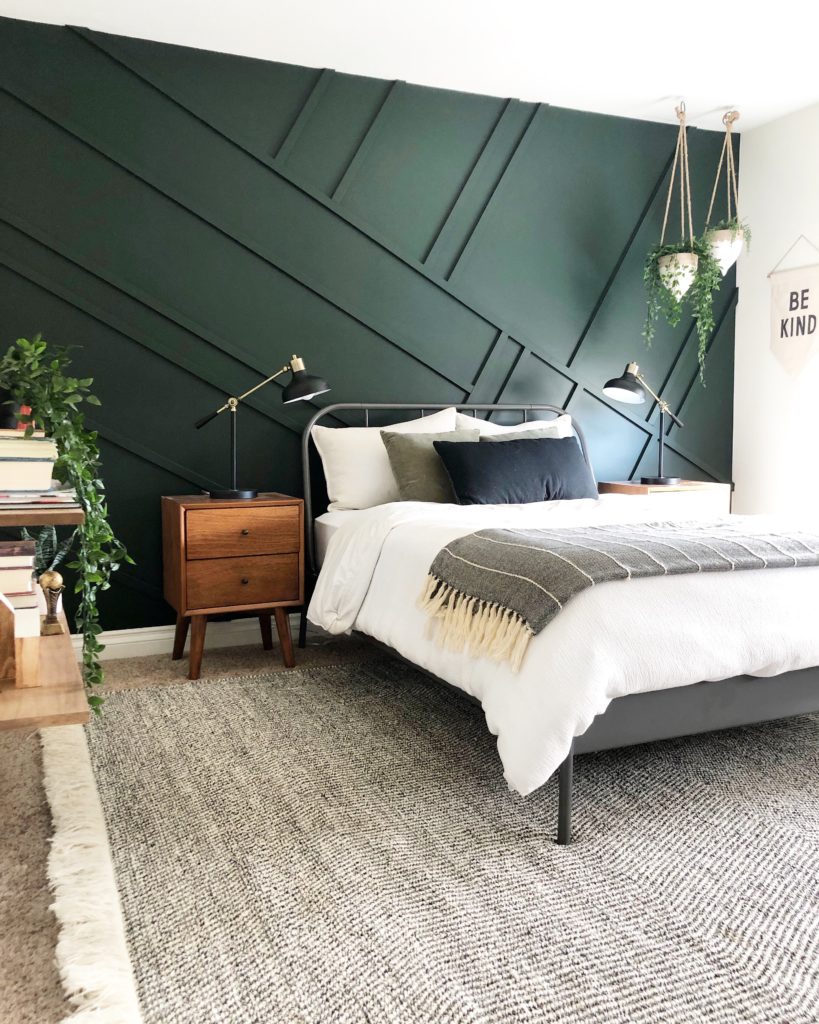
- Geometric Accent Walls: A bold option for modern spaces. If you love clean lines and a custom look, geometric paneling can turn a plain wall into a work of art. Try this in a game room, sitting area, or behind your media console.
- Reeded or Fluted Wall Molding: Fluted panels add soft vertical texture and create a calming effect. They are great behind the sofa, paired with floor lamps, or next to built-in shelves for a high-end finish.
- Box Molding or Wainscoting: This classic treatment works in nearly every type of space. It is especially effective in large living rooms or open layouts where you want to add structure and dimension.
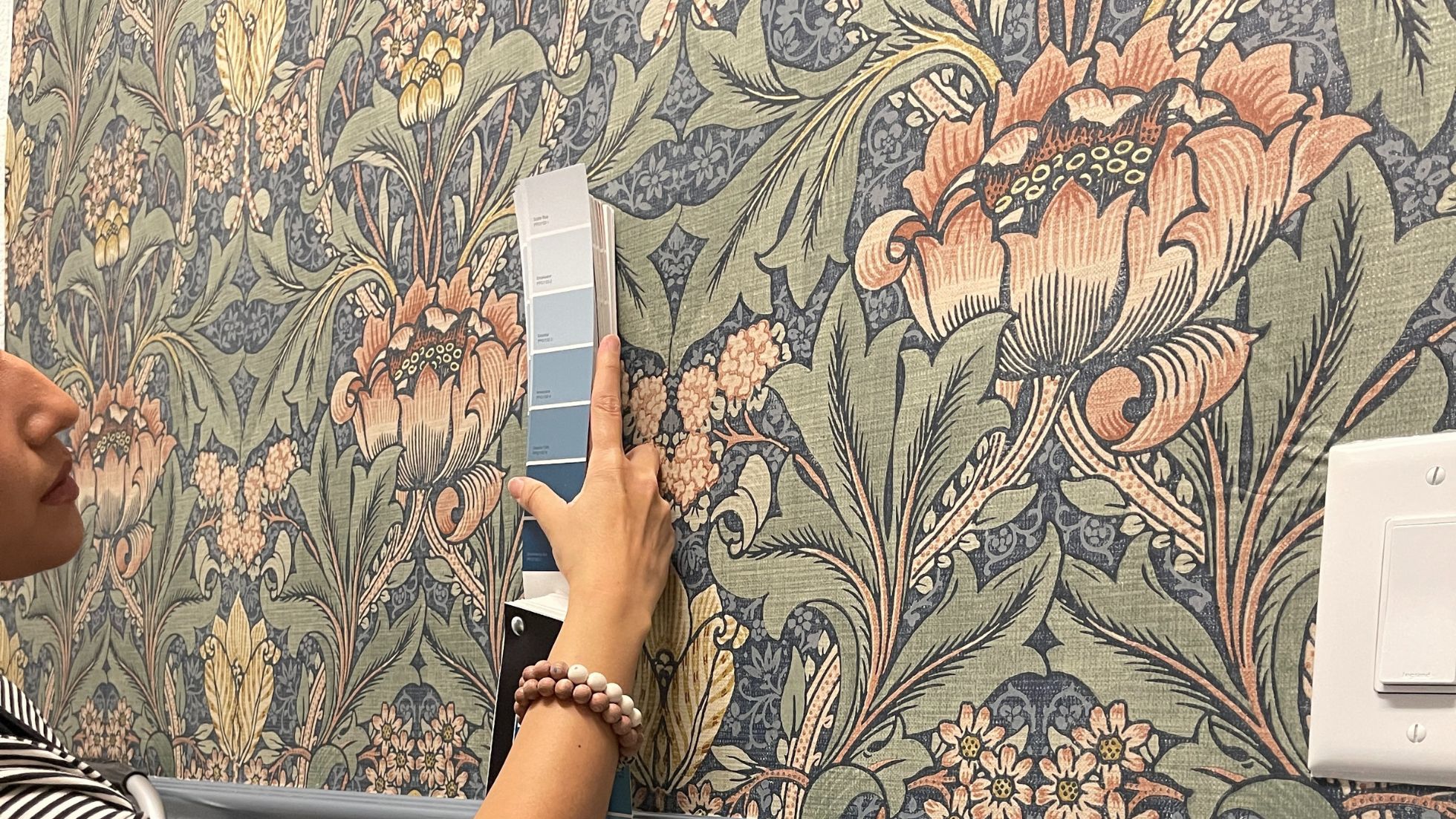
- Wallpaper Inside Picture Frame Molding: This is an easy way to add pattern without committing to a full wallpapered wall. Framing wallpaper inside trim creates a layered look that can easily be updated over time.
- Mix and Match Paneling: Don’t be afraid to mix styles. Combining different paneling types creates a look that feels collected and personal. You can play with color and trim to match your own design style and bring depth to your space.
DIY wood wall treatments are one of the best ways to give your living room a fresh look while adding layers of detail and charm.
Whether you are decorating a small space or working with a large room that needs balance, these projects bring structure, warmth, and intention to any living space. They are budget-friendly, beginner-friendly, and a great way to reflect your personal style while making your home feel more finished.
Decorate High Ceilings with a Gallery Wall

If your living room has high ceilings, you might be wondering how to make the space feel more balanced and inviting. One of the best ways to use that vertical wall space is by creating a gallery wall. It brings the focus back down to eye level while still filling the room with visual interest and personality.
In living rooms with tall walls, art can feel too low or too spread out if it isn’t planned thoughtfully. A vertical gallery wall solves this by using stacked or layered frames to draw the eye up while anchoring the design with a strong focal point. You can go symmetrical for a clean, modern look or mix different sizes and styles of picture frames for something more collected and casual.
This is also a great way to display a mix of art, family photos, or vintage prints that reflect your personal style. Try building your layout around a larger piece of art or even a mirror in the center, then layer smaller frames around it to add depth. Don’t be afraid to bring in different colors and finishes to keep it feeling warm and lived in.
A gallery wall helps soften the scale of a large room, especially one with white walls or lots of open space. It fills blank walls without relying on oversized furniture and works beautifully above a large sofa or across from the front door, where it can be seen right as you enter the living space.
Try Out DIY Pinch Pleat Curtains

If you’re looking for a simple upgrade that brings instant polish to your living room, DIY pinch pleat curtains are a great way to go. These classic window treatments add a tailored look that makes the entire room feel more finished, especially in living rooms with high ceilings or oversized windows.
Unlike most store-bought curtains that hang flat, pinch pleats create gentle folds at the top of each panel, adding volume and structure. They work in both small rooms and large open spaces, and you can customize the fullness and pleat style to fit your personal style.
The best part? You can make your own without a sewing machine.
Here’s a simple step to get started:
How to Make No-Sew Pinch Pleat Curtains
Start with flat curtain panels like the ones from IKEA. On the back of each panel, attach pleater tape along the top using iron-on adhesive. Once the tape is in place, insert pleater hooks into the small pockets on the tape to form your pleats. Hang the curtains using drapery rings and train the folds by tying them loosely for a day or two. That’s it. No sewing required, and the end result looks completely custom.
This upgrade works especially well in spaces where the walls feel empty or the windows need a little more attention. If you already have an accent wall or gallery wall, pleated curtains will frame it beautifully. They also add softness and help absorb sound, which can be helpful in large rooms with hard flooring.
Make It Into a Movie Room with DIY Acoustic Wall Panels

Turning your living room into a movie room is one of the best living room upgrade ideas if you want a space that’s both functional and fun.
Whether you’re a family that loves movie nights or someone who enjoys a quiet space to unwind, a dedicated media room setup makes a huge difference in both sound and comfort. It’s more than just choosing the best screen or projector. What really sets a good movie room apart is sound quality, and that’s where DIY acoustic panels come in.
If you’ve ever watched a movie in a room with hard flooring, minimal furniture, or high ceilings, you’ve probably noticed how echoes and background noise can ruin the experience. Sound-absorbing panels help fix that by reducing echo, softening sharp sounds, and giving you that cozy, theater-like atmosphere. The good news is, you can make them yourself using simple materials from your local hardware store.
We made our own DIY acoustic panels for our media room using Rockwool insulation, pine wood for the frame, and fabric that matched our walls. These panels look custom, but they were incredibly budget-friendly. We also added picture frame molding and wall sconces between each panel to create a warm, elevated look that feels more designer than DIY.
Here’s a quick overview of how we did it.
Step 1: Plan Your Panel Layout: Decide how many panels your space needs. Focus on the wall space behind and across from your TV or speakers. For larger living rooms, consider wrapping the panels around more than one wall for full coverage.
Step 2: Build the Frame: Use 1×4 pine boards to create a simple rectangular frame, usually around 24 by 48 inches. Secure the corners with wood glue and screws. Add support strips across the back to keep the structure solid.
Step 3: Add Insulation and Wrap with Fabric: Place a Rockwool Safe’n’Sound panel inside the frame. You can staple a fiberglass screen roll over it to keep it in place. Then wrap the entire frame with acoustic fabric, pulling it tight and stapling along the back.
Step 4: Customize and Install: Paint picture frame molding and add it to the front for a finished look, then mount your panels using drywall anchors or screw eye hooks. Space them evenly across the wall for a clean layout. If you’re placing them between sconces, center them properly for a balanced design.
These panels help absorb sound without sacrificing your living room design. They also act as decorative elements, especially when painted or finished to match your furniture or color palette.
DIY acoustic panels are a smart solution for media rooms, game rooms, or any open concept living area that needs better acoustics. You can customize the size, color, and layout to match your personal style, and the difference in sound is immediate. With just a weekend of work, you can create a relaxing space that feels like your own private theater right at home.
Living room upgrade ideas are all about making intentional changes that add beauty, comfort, and function to one of the most used spaces in your home. Whether it’s adding a feature wall, trying new window treatments, or rethinking your furniture layout, small updates can make a big difference. The good news is that you don’t need a huge budget or a brand-new furniture set to get the look you want. Start with one idea that speaks to your personal style and build from there. The result is a space that feels thoughtful, lived-in, and welcoming every time you walk through the door.
This post contains affiliate links to products that I used or recommend. If you purchase something through an affiliate link, I may receive a small percentage of the sale at no extra cost to you. I really appreciate your support!