Playroom Ideas That Grow With Your Kids

Designing a playroom that does not scream toy explosion is an art.
Because most playrooms end up going one of two ways. Either they are super cute for a year and then completely outgrown, or they are functional but feel chaotic and disconnected from the rest of the house.
When I designed our montessori playroom, I wanted something different. A kids’ playroom that could grow with my kids, feel cohesive with the rest of our home, and still be practical for real everyday life.
A well-designed playroom should not need to be completely redone every two years. And with the right approach, it does not have to be.
So here is exactly how I approached it, and some of the inspiration that shaped my thinking along the way, including this beautiful playroom on Pinterest and this magical kids space that I kept coming back to. The Mini Reni playroom feature on Magnolia is also worth a look if you want to see how intentional playroom decor can feel both playful and elevated at the same time.
Why Most Playrooms Do Not Age Well

The most common kids’ playroom mistakes I see come down to a few things.
Too theme-heavy. A fully dinosaur or princess themed room looks adorable at three and feels embarrassing at eight. Kids outgrow specific themes fast, and when the theme is baked into the walls and furniture, you are starting from scratch sooner than you planned.
Too many vibrant colors. Bold hues and primary colors scream toddler playroom and make it nearly impossible to evolve the space as your older children grow without a full repaint.
No storage system. A play area without intentional, practical storage solutions ends up looking chaotic no matter how beautiful the decor is. This is especially true in smaller spaces where visual clutter takes over fast.
Furniture that does not evolve. Plastic play furniture and overly kid-specific pieces have a short lifespan. They work for younger children but have nowhere to go once your kids grow out of them.
The fix for all of these is the same. Start with intention. In the long run, thoughtful choices made upfront save you so much time, money, and frustration.
Step 1: Start With a Neutral Base

The base of the room should outlast your kids’ current phase.
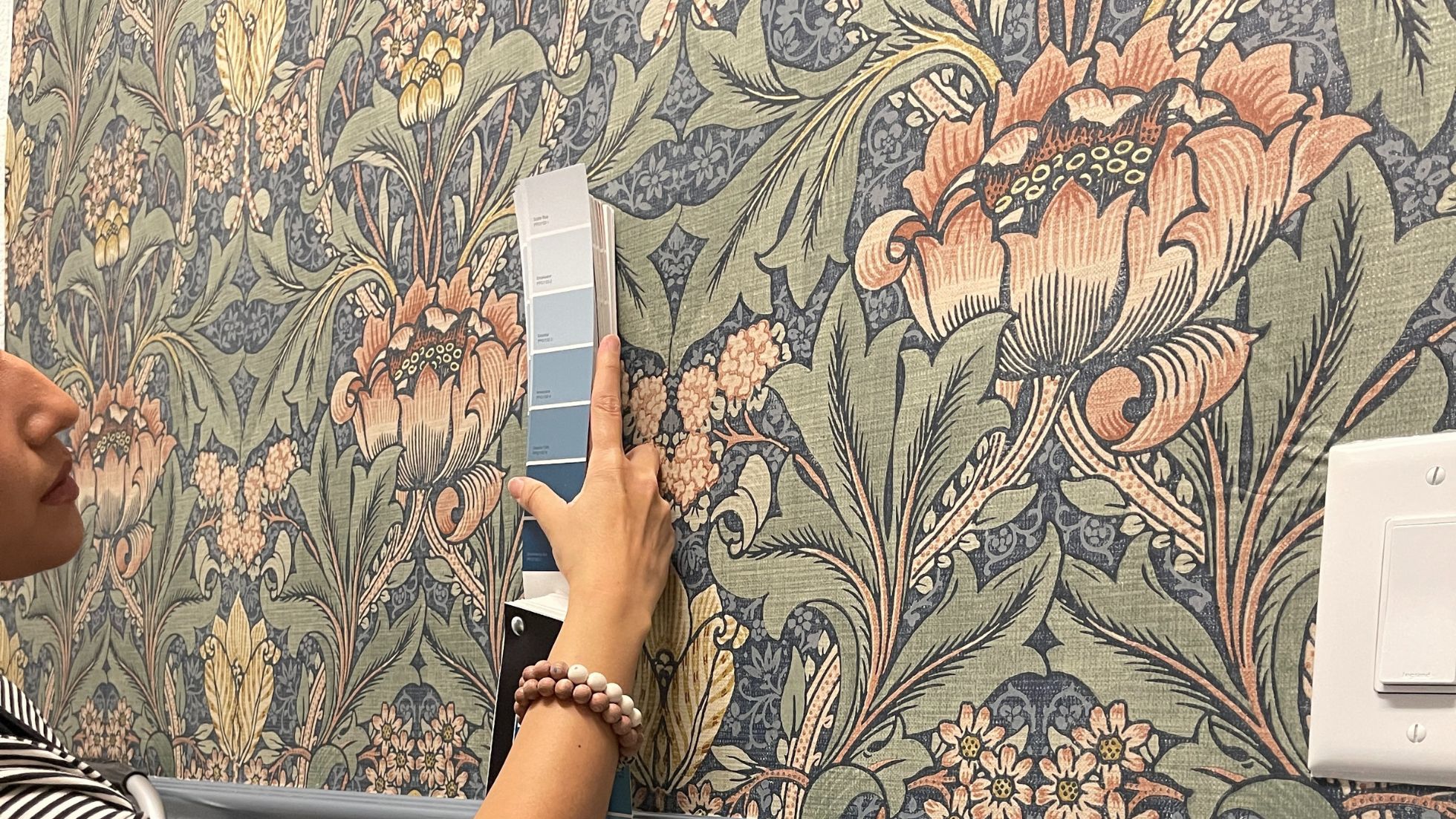
That means keeping walls, trim, and large furniture elements more timeless. In our playroom, I used a pistachio green trim with this block print wallpaper from my own collection that feels playful without being juvenile. The tonal color palette ties everything together without being tied to any specific child’s interests or age group.
Avoiding primary colors and overly vibrant wall colors in the base of the room is one of the most important decisions you can make for an older kids’ playroom that actually ages well. Chalkboard paint on one wall is a great way to add function and personality without committing to a color that will feel dated in two years.
When the foundation is neutral and considered, you can swap in personality through accessories and textiles as your kids grow without ever having to redo the whole room. You can see the full approach to our space in my Montessori playroom and flex room tour.
Step 2: Add Personality Through Layers, Not Permanent Choices

Save the personality for the pieces that are easy to change.
In our playroom, personality comes through the artwork I sourced, including pieces from Tessa Brown, a reupholstered chair with a ruffled skirt, and intentional styling moments throughout the space. None of these are permanent decisions. Art can be swapped, textiles can be changed, and accessories can evolve as your kids grow from younger children into big kids with completely different tastes and child’s interests.
Wall decals are another great example of this. They add personality and playfulness to a play area without touching the paint, and they come down easily when your child’s interests shift.
This is the difference between a playroom that feels personal and one that feels dated. One is layered. The other is locked in.
Step 3: Design for Multiple Functions and Different Play Zones
A good playroom is not just for toys. It is a perfect space your kids can truly grow into.
Think about the different types of play you want to support. A clear open floor space for active play and imaginative play that supports problem-solving skills and open-ended exploration. A cozy corner or reading nook with floor cushions, bean bags, or a small reading chair for quiet independent play and good books on rainy days. A craft table with accessible art supplies and craft supplies for creative work and art projects.
These different play zones within one room mean the space works for younger children and older children at the same time, and it means the room has a reason to exist beyond just storing toys.
In our playroom, I chose a lounge chair and floor cushions instead of a built-in bench specifically for flexibility. It gives us a lounging area that works for the kids now and could move to another room entirely as they get older. That kind of thinking is what keeps a dedicated playroom from becoming a space you have to gut and redo every few years.
If you have enough floor space, a small climbing wall is a fantastic addition for active play and a great way to support gross motor skills without needing a separate space for it.
Step 4: Make Storage Part of the Design

If you can see everything, the room will always feel messy.
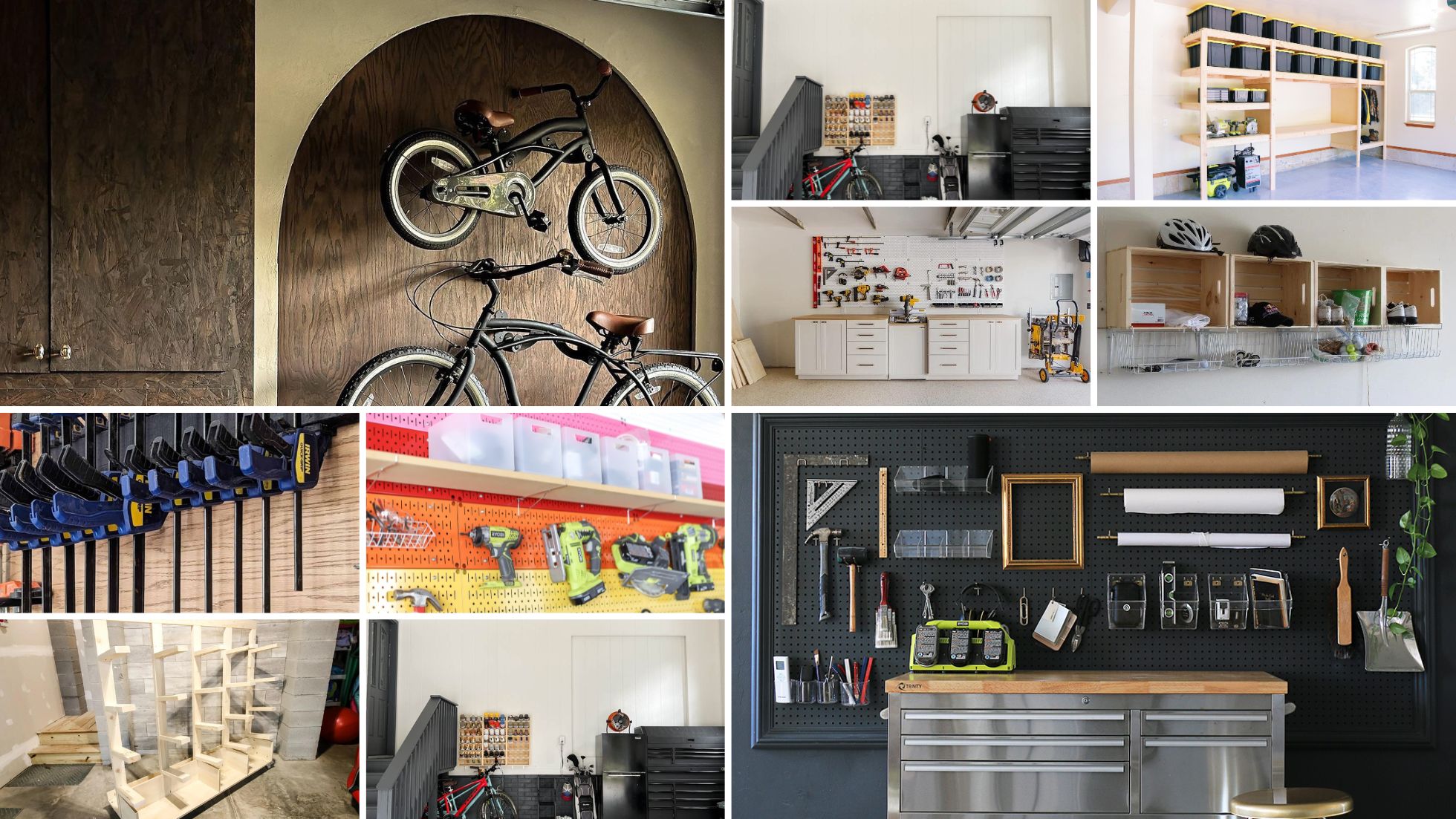
Storage in a playroom should look intentional, not like an afterthought. Open shelves styled with baskets and bins look so much better than mismatched plastic storage units scattered around the room. A pegboard with simple hooks is one of my favorite ways to use wall space for things kids actually reach for daily, like art supplies or toy cars. Built-in storage and cabinets with doors are great for keeping visual clutter down while still giving kids easy access to what they need.
A storage ottoman is one of the most underrated pieces in a kids’ playroom. It adds seating, provides hidden storage space, and looks like a real furniture piece rather than a toy bin. Adjustable tables that can grow with your kids are another smart investment, especially near the craft table area where your child will spend a lot of time over the years.
For our space, I used large floor bins for toys that need to be accessible, clear canisters on the craft table for art supplies, and floating shelves higher up for styled display pieces. For puzzle pieces and small sets, mesh zip bags tucked inside bins are genuinely one of the best practical storage solutions I have found. I go deeper into all of this in my post on stylish storage ideas for kids rooms and play spaces.
The goal is storage that a child can use independently. When kids can find and put away their own things, it supports independent play and keeps the play area from descending into chaos every afternoon.
Step 5: Mix Playful With Elevated

You can make a space feel playful without making it feel childish.
This is where the details make a real difference. In our playroom, I swapped a basic ceiling fan for a chandelier. That one decision changed the entire feel of the room. A floor lamp adds warmth at a lower level and creates that layered lighting effect that makes a play space feel cozy instead of institutional.
An accent table next to the seating area pulls the space together in a way that feels intentional rather than childlike. And accordion wall hooks for bags, dress-up pieces, or backpacks are a functional detail that looks considered rather than purely practical.
Mixing textures does the same thing. A woven area rug, fabric on the seating, natural materials in the storage units, and some carefully chosen playroom decor all work together to give the room that elevated, lived-in quality that makes it feel like a real room rather than a holding zone for toys.
Step 6: Choose Pieces That Can Evolve

If it cannot grow with your kids, it is probably not worth the investment.
This means avoiding overly kid-specific furniture wherever possible. A daybed can eventually move to a guest room or a teenager’s space. A well-made chair that has been reupholstered once can be reupholstered again. Real wood furniture with good bones outlasts plastic pieces by years and adds educational elements of craftsmanship and quality that kids absorb without realizing it.
The play kitchen in our playroom is a perfect example. Rather than buying a new plastic one, I upcycled an older play kitchen with spray paint in neutral colors. It now holds Montessori toys and play food and looks completely intentional within the space. It works for our toddler playroom stage now and will keep working as the kids grow because it was designed to fit the room, not the other way around. The play kitchen is genuinely one of those pieces that supports imaginative play for years longer than most parents expect.
Step 7: Layer the Lighting
Lighting is what makes a room feel cozy instead of chaotic.
Most playrooms rely entirely on overhead lighting, which is harsh and flat. Adding softer ambient sources like a floor lamp in the reading nook, a sconce near the craft table, or even string lights completely changes the atmosphere of the space. It makes the play area feel warm and inviting rather than like a brightly lit storage room.
This is also a great way to create visual separation between different play zones without any additional construction. Light naturally draws the eye and defines space in a subtle but effective way, which matters especially in smaller spaces where you are trying to do a lot with limited square footage.
Step 8: Leave Room for Real Life
A playroom should look good, but it should also work hard.
That means not over-styling. Floor space matters for imaginative play, active play, and the kind of open-ended play that actually keeps kids engaged for longer than five minutes. Board games need a place to be set up. Art projects need room to spread out. Toy cars, building sets, and big floor play all need breathing room.
Designing a playroom that grows with your kids is not about doing less. It is about being more intentional with every choice. When you start with a strong neutral base, layer in personality through pieces that are easy to change, invest in furniture that can evolve, and build in practical storage solutions from the beginning, you end up with a perfect space that feels just as considered as the rest of your home while still being a place your kids actually want to be every single day.
This post contains affiliate links to products that I used or recommend. If you purchase something through an affiliate link, I may receive a small percentage of the sale at no extra cost to you. I really appreciate your support!