How to Install a DIY Kitchen Backsplash
Installing a kitchen backsplash is one of the easiest ways to add a high-end, custom feel to your kitchen without doing a full renovation, and with the proper planning, your new heart of the home will be ready in no time. Whether you’re living in an older home or just want a quick refresh, this simple upgrade can transform your space.

With so many DIY-friendly materials on the market, it’s easier than ever to install a kitchen backsplash yourself and get a finished, professional look.
This step-by-step backsplash guide covers everything from choosing tile to installation tips so you can feel confident tackling the job on your own.
Why Install a DIY Kitchen Backsplash?

A kitchen backsplash is one of the most effective ways to change the look of your kitchen. It’s functional, stylish, and surprisingly simple to install.
It protects your walls from splashes and spills while adding personality to the room. Plus, it’s a great weekend project if you’re looking for something low-commitment with a big payoff.
Whether you choose peel and stick tiles or a traditional ceramic backsplash, this DIY kitchen project adds instant polish and can even increase your home’s resale value.
Peel and Stick Backsplash is An Easy Way to Start

If you’re new to home improvement, peel and stick backsplash tiles are the perfect starting point. I used them in my laundry room, and years later, they still look amazing. Plus, they are way easier to clean than real stone!
These tiles are lightweight, flexible, and renter-friendly. They’re also great for tight spaces like behind a utility sink, around a coffee bar, or in small kitchens. They really do add some professional-looking results to the whole room, no matter your kitchen style.
Installation is simple. Clean the wall thoroughly, then peel and press each tile into place. You can trim them with scissors or a utility knife.
If you want extra security, use an adhesive mat underneath. Some people even double up for added durability.
Peel-and-stick backsplash tiles come in a variety of styles, including subway, mosaic, and even faux stone or marble. Choose the one that fits your kitchen aesthetic.
Traditional Ceramic or Glass Tile Backsplash

If you’re ready for a more permanent solution in your small space, ceramic or glass tile offers a classic, long-lasting finish to your new backsplash.
Ceramic tile is durable, heat-resistant, and perfect for the area behind your stove or sink. Glass tile reflects light and works beautifully in both modern and traditional kitchens.
To get started, measure the square footage of your backsplash area. Buy extra tile to account for pattern matching and cutting.
Materials you’ll need:
- Tile adhesive or thinset
- Grout
- Tile spacers
- Trowel
- Wet saw or tile cutter
- Grout float and sponge
How to Tile
- Prep your wall by cleaning it well. Remove outlet covers and switch plates. Use a level to draw a straight line where your first row of tile will sit.
- Start from the center and work outward. Use a ledger board under the bottom row if needed.
- Apply adhesive in small sections, pressing tiles into place one at a time. For mosaic sheets, make sure each one lines up perfectly before moving on.
- Once all tiles are installed and the adhesive is dry, apply grout. Push it between the tiles using a grout float. Wipe off the excess with a damp sponge.
- Allow everything to cure before sealing, if needed. Then reinstall your outlet covers and caulk along the edges.
Planning and Layout Tips


Planning your layout is key to a successful kitchen backsplash install.
Think about your focal points, like behind the stove or around a window. Symmetry helps the space feel intentional.
Use a laser level or straight edge to keep your rows even. If your countertop isn’t level, you’ll want to start your tiles from the most visible line and work from there.
Always dry-fit your tiles before installing. This helps you catch problems with spacing or cuts in advance.
Mosaic tiles or patterns with borders may require extra care. Be patient and check your progress often.
You can find more detailed instructions here.

Popular Backsplash Patterns and Materials

Your backsplash doesn’t have to be boring. There are so many creative ways to add personality with tile.
Here are a few popular options:
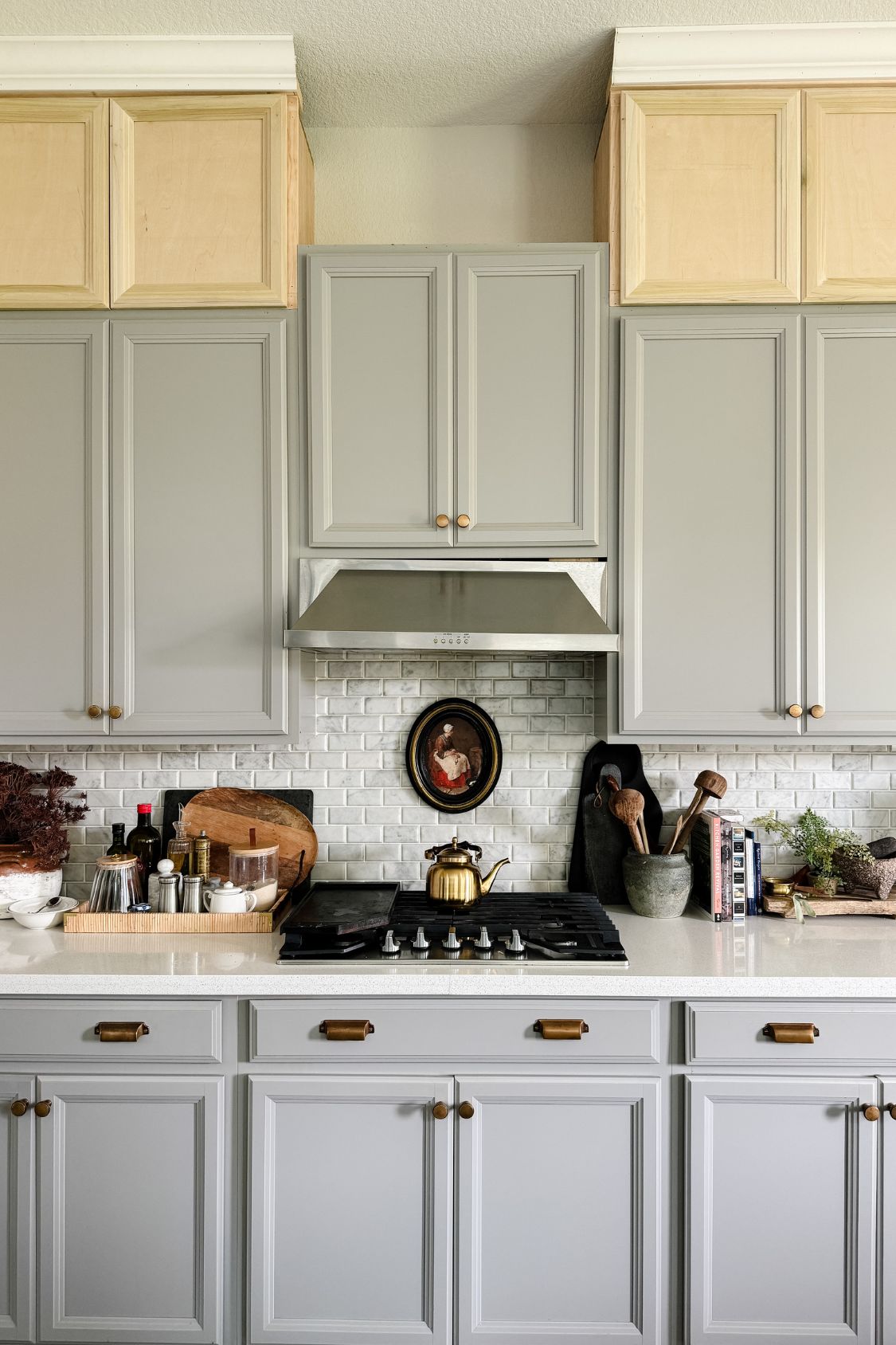
- Subway tile: A timeless choice. Try stacking vertically or using a herringbone layout for a modern twist.
- Glass mosaic tile: Adds shimmer and depth. Available in tons of colors and finishes.
- Marble or natural stone: Ideal for high-end kitchens. Just be sure to seal it properly.
- Hand-painted ceramic tile: Offers a unique, artisan feel.
- Wood-look porcelain tile: Adds warmth and texture with the durability of tile.
If you’re working in a small kitchen, choose lighter colors to reflect light and make the space feel larger. In larger kitchens, a bold tile can create a striking focal point.
Shop Trendy Peel and Stick Kitchen Backsplash

- Sage Peel and Stick Backsplash
- Aqua Seaglass Subway Peel And Stick Sticktile
- Basketweave Carrara Peel & Stick Backsplash
- Smart Tiles Peel and Stick Backsplash
- Peel and Stick Subway Tile
- Beige and White Checkered Peel and Stick Backsplash
Tips for Cutting and Installing Tile

Different tile materials need different tools. Here’s what you need to know:
- Glass tile: Use a white adhesive to avoid seeing it through the tile. Cut slowly with a wet saw to avoid chipping.
- Natural stone: Always seal before and after grouting. It can stain easily.
- Ceramic tile: Use a tile cutter or wet saw for clean edges. A nipper helps with small detail cuts.
- Peel and stick tile: A utility knife is all you need. Just take your time around corners or outlets.
Prep and patience are key. Take breaks if you need to. Rushing through cutting or grouting can lead to uneven results.
Tools You Might Need
Every project is different, but here are the most commonly used tools for a DIY kitchen backsplash:
- Wet saw (for porcelain, glass, or natural stone)
- Tile cutter (for ceramic tile)
- Tile nippers
- Notched trowel
- Grout float
- Sponge
- Bucket
- Spacers
- Utility knife
- Measuring tape and level
Having the right tools on hand makes the project easier and faster.
Once your tiles are set and the grout has cured, it’s time to wrap up with finishing details.
Replace your outlet covers. You can stick with simple white or try decorative plates that match your kitchen’s hardware or style.
Apply a bead of caulk where the tile meets the counter or cabinets. This seals out moisture and gives the edge a clean, polished look.
Use a haze remover if your tiles have a cloudy film after grouting. This is especially helpful with glass or shiny tiles.
These last steps might seem small, but they make a big difference in how professional your finished backsplash looks.
FAQs About Kitchen Backsplash Projects

How long does a DIY backsplash take to install?
A peel and stick backsplash can take as little as a few hours. A traditional tile backsplash usually takes one to two days, including dry time.
Do I need to remove the old backsplash?
Yes, it’s best to start with a clean surface. Removing old tile gives you a flat surface to work from.
What is the easiest backsplash to install?
Peel and stick tiles are the easiest. Ceramic subway tile is a close second for those ready to try traditional installation.
Can I install a backsplash over drywall?
Yes, as long as the drywall is clean and in good condition. Just avoid placing heavy tiles without extra support.
Should I seal my backsplash?
Seal natural stone and porous tiles. Most ceramic and glass tiles don’t need sealing, but always follow product guidelines.

Installing a DIY kitchen backsplash is one of the best ways to give your kitchen a fresh, custom look on a budget.
Whether you choose a peel and stick option or go all in with ceramic tile, this project offers a high impact with minimal cost.
It’s easy to learn, fun to do, and makes a huge difference in how your kitchen looks and feels.
With the right tools, a bit of patience, and this guide by your side, you can absolutely tackle your own kitchen backsplash.
Ready to start your project? Pick your tile and go for it. You’ve got this!
This post contains affiliate links to products that I used or recommend. If you purchase something through an affiliate link, I may receive a small percentage of the sale at no extra cost to you. I really appreciate your support!