How Much Does Interior Design Cost? An Honest Breakdown From a Designer

How much does interior design cost? It’s one of the questions I get asked more than almost anything else, and I get why. There isn’t one universal number out there, and honestly, that’s part of what makes the whole thing feel so confusing from the outside.
Every designer runs their pricing a little differently, and two rooms of the exact same square footage can require completely different amounts of work depending on what’s actually involved. So let me just walk you through how this typically works, what you’re really paying for, and a few ways to get a professionally designed look even on a tighter budget.
How Do Interior Designers Charge?
Most interior designers charge one of a few ways: an hourly rate, a flat fee for the room or project, a percentage of the total project cost, or a markup on furniture and materials. A lot of us mix and match.
I’ll tell you exactly how I do it, since every designer runs their business a little differently. I calculate my design fee based on how many hours I expect a specific project to take. That’s my pricing model. Plenty of other professional designers prefer a flat rate instead, especially for a well-defined single room where the scope is already clear from the start.
What Does an Interior Designer’s Hourly Rate Actually Include?

Here’s the thing people don’t always realize. You’re not just paying for the hour I spend showing you furniture options. You’re paying for everything happening behind the scenes that you never actually see.
That includes the initial consultation and all the pre-design work, measuring and documenting your space, travel to and from the site, and trips to showrooms and vendors on your behalf. It covers researching and sourcing furniture, fixtures, and materials, building floor plans and layouts, and developing the whole design concept from scratch.
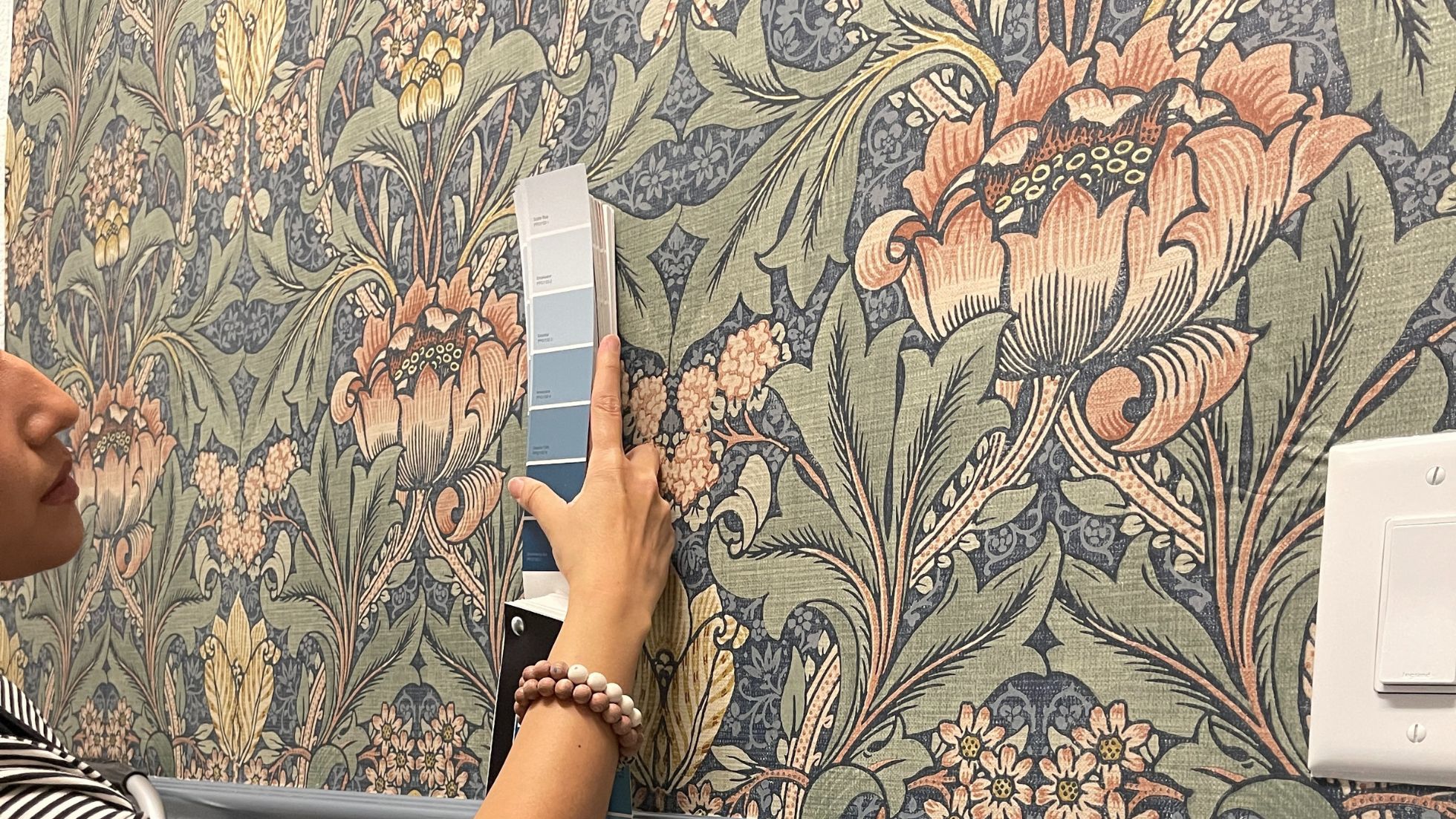
Then there’s selecting a color palette and finishes, putting together mood boards or concept boards, requesting samples and pricing, staying in touch with contractors and vendors, revising the plan based on your feedback, and troubleshooting whatever inevitably comes up along the way.
It adds up fast, and ASID’s own guidance on fee structures backs this up too. Most residential designers now combine an hourly design fee with cost-plus pricing on the furnishings themselves.
How Many Design Hours Does a Room Actually Require?

It really depends on the scope, but a kitchen almost always takes longer than a bedroom, and it’s not close.
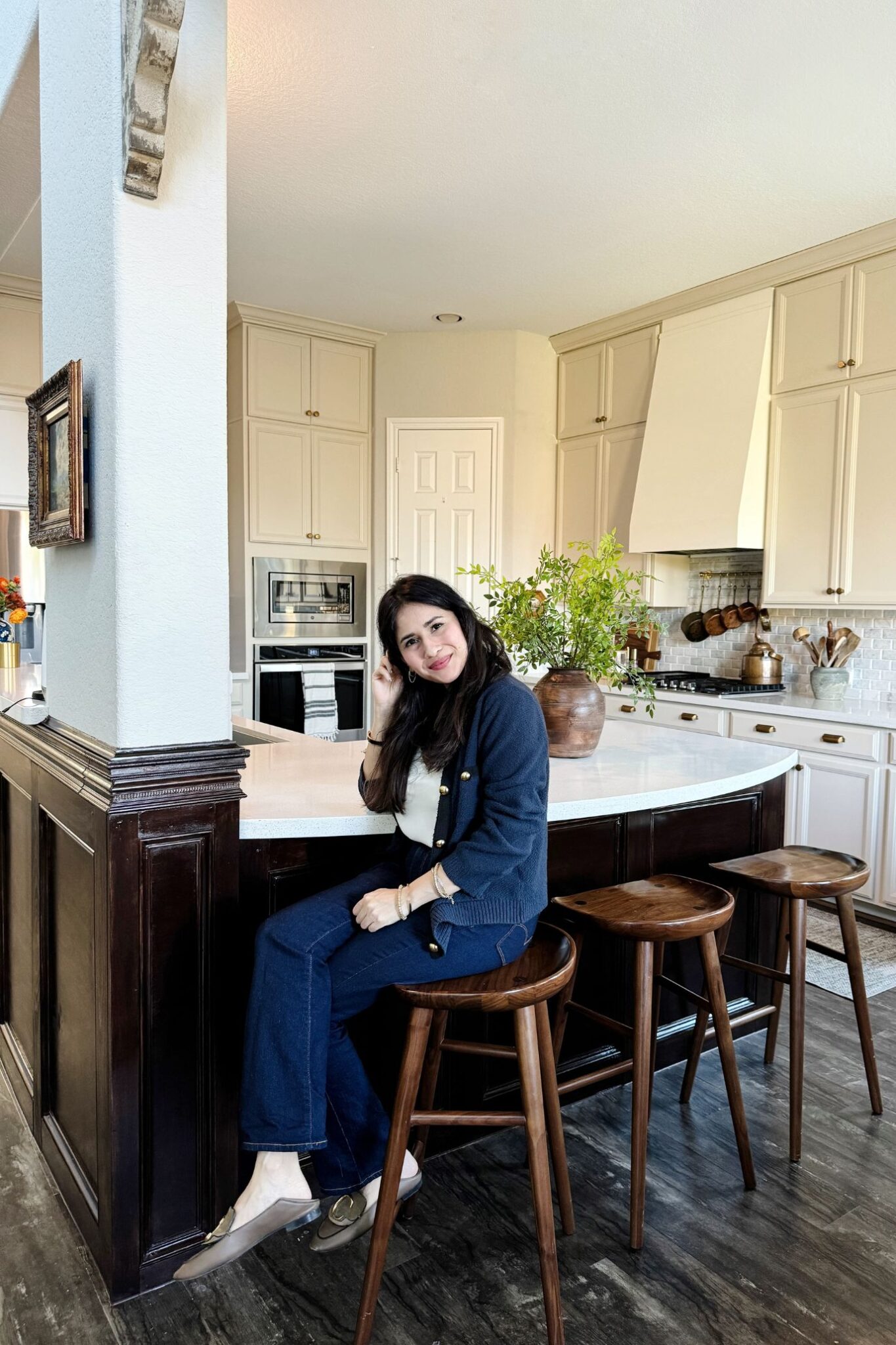
A kitchen might run around 40 hours of design time, sometimes more, depending on what’s involved. A new layout, cabinetry, countertops, backsplash, lighting, plumbing fixtures, hardware, and appliance selections all take a lot longer than a simple cosmetic refresh. At $100 an hour, just as an example, that’s roughly $4,000 in design fees for a kitchen.
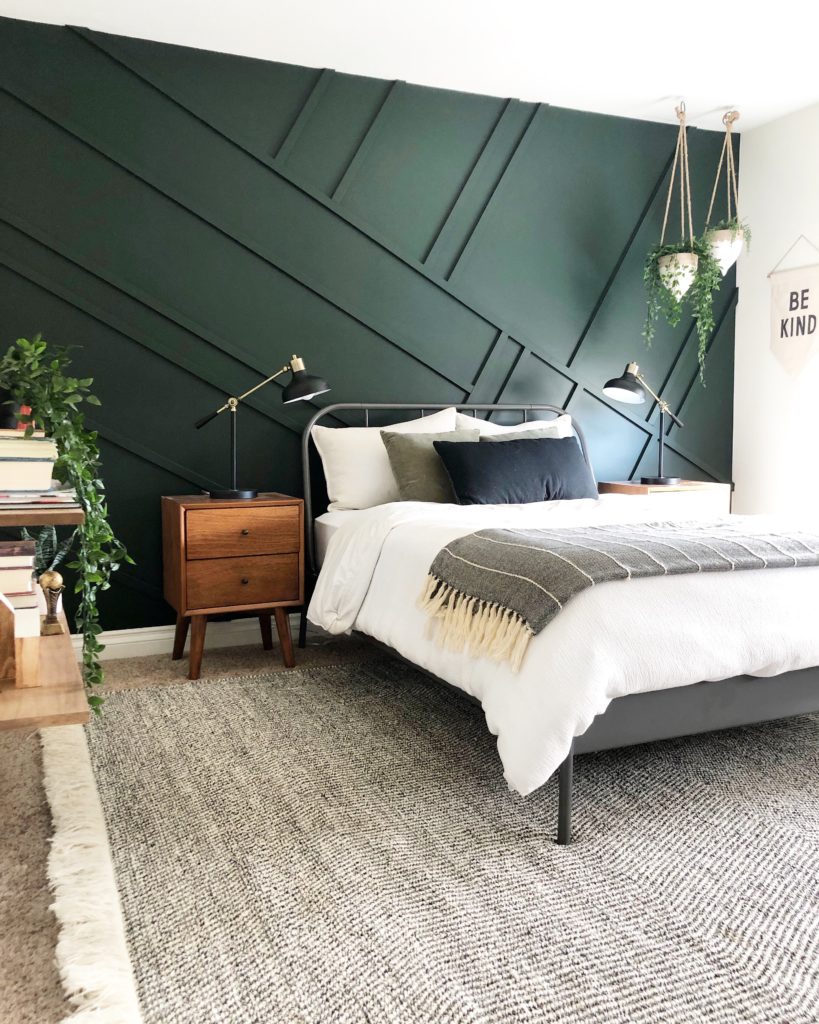
A standard bedroom or home office tends to run closer to 25 hours. That could mean a furniture layout, bed and nightstand selections, lighting, paint or wallpaper, window treatments, a rug, bedding, and artwork. At that same $100 rate, you’re looking at around $2,500 in design fees. Interior designer rates can start around $100 an hour and climb quite a bit higher depending on the designer’s experience, where they’re located, and the level of service they offer.
National averages for interior decorator cost typically land between $50 and $200 an hour, and you’ll usually see higher rates in major cities and metropolitan areas than you would in smaller towns.
Is the Design Fee the Whole Project Budget?

No, and this trips people up more than anything else. The design fee only covers my time, expertise, planning, and coordination. It’s not the cost of the room itself.
So if your design fee comes out to $4,000, that doesn’t mean the whole room costs $4,000. You’ll still need to budget separately for furniture, lighting, rugs, window treatments, paint, wallpaper, tile, cabinetry, countertops, and contractor labor. Add in delivery and installation fees, shipping, storage or receiving fees, taxes, and a little contingency for the unexpected, because there’s always something unexpected. Understanding this distinction early is honestly one of the easiest ways to avoid a costly mistake and go into the project with a realistic budget instead of a guess.
What About Furniture Markups and Sourcing Fees?

Some designers require clients to buy furniture, fixtures, or materials through the firm rather than sourcing it themselves, and they’ll charge a markup or sourcing fee for that.
That fee usually covers access to trade-only products and trade discounts, ordering and tracking, staying on top of vendors, handling damages or missing items, coordinating delivery and installation, and generally managing the entire purchasing headache for you. I’ve made a different choice.
I generally give my clients retail options instead of requiring everything to go through me, because I want my interior design services to actually feel accessible. Retail sourcing also gives you more flexibility over when and how you buy. Trade-only pieces can be gorgeous, but they usually come with a higher price tag than the retail price version.
Why Do Some Rooms Cost More to Design Than Others?

Room size only tells part of the story. Project scope is really what drives the price, and two similarly sized rooms can land in completely different places.
Whether it’s a cosmetic refresh or something closer to a gut renovation matters a lot, along with how many selections need to be made and whether you’re going custom furniture or retail. Custom millwork and 3D renderings both add hours. So does the number of contractors and vendors involved, how fast decisions get made, how many rounds of revisions you want, and whether I’m managing installation on top of everything else.
I could show you two bedrooms the exact same size where one just needs paint, furniture, and decor, and the other needs custom built-ins, new lighting, wallpaper, and window treatments, and the price gap between those two is significant.
Is There a More Affordable Way to Work With a Designer?

Yes, and it’s called e-design, and it’s honestly one of my favorite things to offer.
An e-design package typically includes a mood board or design concept, a furniture layout, furniture and decor selections, and paint recommendations. Most also cover soft finishes like rugs, curtains, and bedding, a clickable shopping list, and a styling or installation guide to walk you through it. The tradeoff is that you’re the one ordering the products, talking to retailers, scheduling any contractors you need, receiving deliveries, and installing and styling everything yourself.
It’s a great middle ground if you want a cohesive, professionally curated design vision but you’re totally comfortable executing it on your own. You get the plan and the shopping list, then you buy and install on your own schedule. You can see exactly what’s included in my own e-design packages here.
Which Level of Design Service Is Actually Right for Me?

Honestly, it comes down to how much of the process you want to hand off versus manage yourself.
If you just need expert advice or help making a few decisions, start with a consultation. If you want a complete design plan but you’re comfortable handling ordering and installation, e-design is your move.
If you’d rather I handle most of the sourcing, project management, and implementation, that’s full-service design, and it tends to make more sense for larger projects or a full home. And if you’re making construction-related decisions involving layouts, finishes, fixtures, and contractors, that’s renovation design territory. I offer all four, and you can compare them on my interior design services page, or just start with a consultation if you’re not sure yet which one actually fits.
What Should I Ask Before You Hire an Interior Designer?

Ask how they calculate their design fees and exactly what’s included in the number they quote you. That question alone clears up most of the confusion.
Beyond that, ask whether there’s a minimum number of hours, whether travel and site visits get billed separately, and how many revisions are included before extra charges kick in.
Ask whether you’re required to buy through them, whether there’s a markup or sourcing fee, and whether shipping, receiving, and installation are already baked into the cost.
Ask if they coordinate directly with contractors, what happens if the project runs over the estimated hours, and what realistic budget they’d actually recommend for your specific project. A little bit of expert advice upfront saves you from surprises down the road, every time.
Is Hiring an Interior Designer Actually Worth It?

For a lot of people, yes, and here’s why. You’re not just paying for a pretty room. You’re paying for expertise, planning, problem-solving, and access to resources you wouldn’t have on your own, plus help avoiding the kind of costly mistakes that are way more expensive to fix later.
It doesn’t have to be all or nothing, either. Full-service design makes the most sense for a renovation or a project you genuinely don’t have time to manage. E-design can be a much more affordable way to get a cohesive plan for a smaller project. The real key is understanding exactly what’s included in the fee and being honest with yourself about your total budget before you even start.
Frequently Asked Questions

How much does an interior designer typically cost per hour?
Rates commonly range from around $100 to $200 an hour depending on the designer’s experience, location, and the scope of the project, with higher fees common in major cities.
Does the design fee include furniture and materials?
No. The design fee covers the designer’s time and expertise. Furniture, materials, contractor labor, and installation are a separate part of the total project budget.
Is e-design cheaper than full-service interior design?
Yes. E-design typically costs less because the client handles ordering, scheduling, and installation themselves, while full-service design includes the designer managing that entire process.
Why do two rooms of the same size cost different amounts to design?
Project scope matters more than size. Structural changes, custom furniture, the number of selections, and how many revisions are needed all affect the total cost more than square footage alone.
This post contains affiliate links to products that I used or recommend. If you purchase something through an affiliate link, I may receive a small percentage of the sale at no extra cost to you. I really appreciate your support!